




1. Introduction
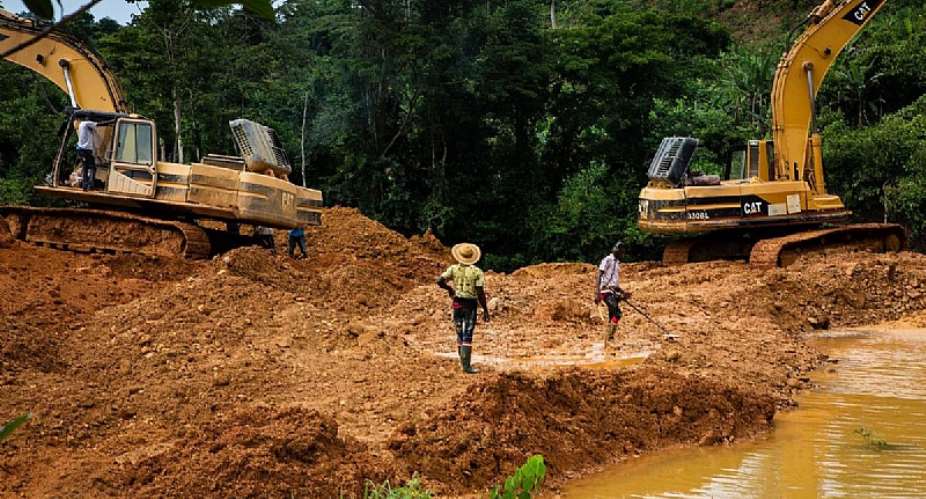
Illegal mining, especially artisanal and small-scale gold mining (ASGM), has proliferated across many developing nations, often driven by poverty, unemployment, and rising commodity prices. While it provides livelihood opportunities, the environmental costs are profound. Chief among these is the contamination of soil and water with toxic heavy metals such as lead (Pb), arsenic (As), cadmium (Cd), mercury (Hg), and chromium (Cr), which are eventually absorbed by food crops.
2. Sources of Contamination
Illegal mining operations typically operate outside regulatory frameworks. The environmental degradation occurs due to:
- Excavation of mineral-rich substrates that naturally contain toxic metals
- Use of hazardous chemicals like mercury for gold amalgamation
- Improper waste disposal into the environment
- Runoff and erosion, especially during rainy seasons, carrying pollutants into adjacent agricultural fields
- Dust emissions settling on crop leaves and soil
3. Pathways into Food Crops
Contamination of crops occurs via:
- Root uptake: Metals in soil and water are absorbed by plant roots
- Irrigation: Water sources contaminated by mining runoff affect crops
- Foliar deposition: Dust particles containing metals settle on plant surfaces
- Translocation and bioaccumulation: Some crops absorb and store heavy metals more readily than others
High-risk crops: leafy vegetables (spinach, lettuce), root crops (cassava, yam, carrots), and cereals (maize, rice)
4. Effects on Food Safety and Human Health
Contaminated food poses serious public health risks. Chronic exposure to even low levels of heavy metals can result in:
Metal | Health Impact
- Lead (Pb) | Neurological damage, cognitive impairment, developmental delays in children
- Cadmium (Cd) | Kidney dysfunction, skeletal damage, cancer risk
- Mercury (Hg) | Nervous system damage, reproductive toxicity
- Arsenic (As) | Skin lesions, respiratory issues, carcinogenic effects
- Chromium (Cr VI) | Gastrointestinal distress, DNA damage, cancer
The cumulative effects, especially in vulnerable populations like children and pregnant women, are long-term and irreversible.
5. Regional Case Studies
- Ghana (Western and Ashanti Regions): Soil and vegetable samples in communities near illegal gold mining sites often exceed WHO permissible limits for lead and arsenic.
- Nigeria (Zamfara State): Lead poisoning outbreak linked to processing of gold ore led to over 400 child deaths.
- Indonesia and Peru: Mercury pollution from gold mining detected in fish, rice, and human hair samples.
6. Environmental and Ecosystem Impact
- Soil degradation: Loss of fertility, altered pH, and microbial imbalance
- Water pollution: Contamination of rivers, streams, and groundwater
- Biodiversity loss: Bioaccumulation of metals in food chains disrupts ecosystems
- Agricultural productivity: Reduced crop yield and quality
7. Recommendations
a. Regulatory and Policy Interventions
- Enforce environmental standards for mining
- Legalize and formalize small-scale mining with environmental safeguards
- Penalize operators who destroy farmland and water sources
b. Environmental Remediation
- Phytoremediation: Use plants that absorb and store metals to clean soils
- Soil amendments: Apply lime or organic matter to immobilise contaminants
- Construct buffer zones between mining and farming areas
c. Monitoring and Public Health Response
- Routine testing of crops, soil, and water in mining-prone regions
- Public health campaigns on safe food handling and awareness of contamination risks
- Nutritional interventions to mitigate heavy metal absorption (e.g., iron, calcium intake)
d. Socioeconomic Alternatives
- Support alternative livelihoods for illegal miners (agriculture, ecotourism, skilled trades)
- Educate local communities on sustainable resource use
- Introduce microfinance initiatives to reduce economic dependency on mining
8. Conclusion
The contamination of food crops by heavy metals from illegal mining poses a silent but severe threat to food safety, environmental sustainability, and public health. The issue transcends environmental degradation-it is a developmental, economic, and humanitarian concern. Sustainable solutions demand an integrated approach involving policy reform, environmental science, public health, and community resilience.
By Philip Kyeremanteng, CSci MCIWEM FCIWEM


 'Ghana Jollof' case is a foolish case – Martin Kpebu tells Police CID
 'I don’t know Kevin Taylor, I will speak to his father to stop him from insultin...
 CPP appeals to Mahama for return of confiscated party property after overthrow o...
 Drug bust: 'Ghana’s reputation is not one party’s reputation’ – Dr. Adomako Kiss...
 ‘What is happening in the media space is horrifying’ – Kwesi Pratt condemns ‘irr...
 Mahama asks MFWA, GJA to lead national dialogue on hate speech
 Teenage pregnancy: Parents ‘too busy’ to notice warning signs – Protect Our Futu...
 NPP intelligence points to cocaine manufacturing in Ghana – Baffour Awuah
 NPP's Obiri Boahen sues two Tiktokers over alleged defamation
 Ghanaian Pastor Rev Emmanuel Boakye-Danquah on the run over alleged counterfeit ...


