




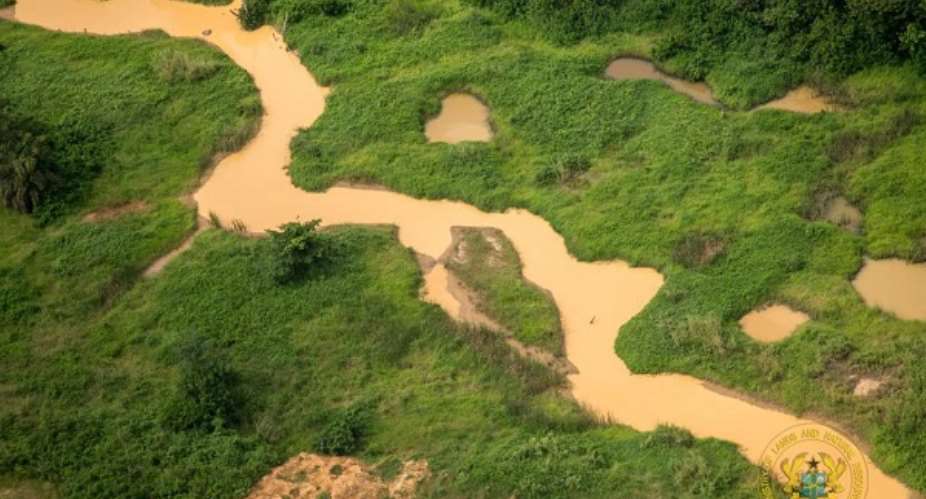
Illegal small-scale mining, popularly known as galamsey, alongside widespread deforestation, represents a growing threat to both environmental and public health, particularly in developing countries like Ghana. While much attention has been paid to their ecological impact, the human cost in terms of disease, mental health deterioration, and the erosion of traditional healing systems is gravely underreported. It is time for public health professionals, policymakers, and communities to confront the twin crises of galamsey and deforestation not only as environmental emergencies but as public health disasters.
An Overlooked Health Crisis
Galamsey and deforestation are deeply interconnected. Galamsey often involves the illegal clearing of forests to access underground minerals, exacerbating land degradation and biodiversity loss. According to the Food and Agriculture Organisation (2020), over 420 million hectares of forest were lost globally between 1990 and 2020. In Ghana, illegal mining has significantly contributed to this trend, stripping the land not only of its ecological value but also of its ability to support healthy human life.
One of the most alarming consequences is the increased emergence of zoonotic diseases. Deforestation disrupts natural habitats and forces wildlife into closer proximity with humans, facilitating the spillover of diseases like Ebola and other viral infections (Gottwalt, 2013). Additionally, stagnant water from abandoned mining pits provides a fertile breeding ground for malaria-transmitting mosquitoes, compounding the disease burden in rural communities.
Poison in the Water and Air
The health risks do not end with disease vectors. Galamsey frequently employs mercury and other toxic substances to extract gold. These pollutants leach into rivers and underground water sources, contaminating drinking water and causing long-term health effects such as kidney damage, neurological disorders, and developmental delays in children (Mapulanga et al., 2018). Mercury poisoning in artisanal mining communities is a well-documented but largely unmitigated problem.
Deforestation also leads to increased incidences of wildfires and reduced air filtration. This contributes to poor air quality and widespread respiratory issues. Communities living near heavily deforested areas or active galamsey sites frequently report higher cases of asthma, bronchitis, and other respiratory conditions (Wiedinmyer et al., 2011).
Mental and Cultural Trauma
Environmental degradation exerts a psychological toll. The loss of natural spaces and livelihoods, combined with displacement and pollution, can lead to anxiety, depression, and trauma (Wigand et al., 2022). These are not just clinical concerns—they are indicators of a broader spiritual and cultural erosion. Many indigenous and rural communities rely on forest-based medicine for their primary healthcare needs. With over 50,000 medicinal plants known globally, and about 20% at risk of extinction (World Bank, 2015), the loss of forest biodiversity is a direct attack on both cultural heritage and pharmaceutical potential.
We Must Act Now
If we continue to treat galamsey and deforestation as isolated environmental problems, we risk missing their more insidious impacts on human health. Protecting forests is not only a matter of climate change mitigation—it is an investment in clean air, safe water, mental well-being, and medical innovation. The time for action is now.
Governments must enforce environmental laws, regulate small-scale mining, and invest in sustainable alternatives for income generation. Equally important is the role of public health institutions in educating communities and advocating for ecosystem protection as a form of preventive health care. Reforestation, environmental education, and tighter control over illegal chainsaw operations must become national priorities (Nunez, 2022; MacRae et al., 1989).
Conclusion
Galamsey and deforestation are more than environmental issues—they are public health emergencies. Tackling them requires an interdisciplinary response that combines environmental science, healthcare, and socio-economic development. Ignoring these links will only worsen health inequalities and delay progress toward Sustainable Development Goals. The forests are not just the lungs of the earth; they breathe fresh air into our atmosphere, and they are a vital part of public health. Let’s treat them that way.

 NPP intelligence points to cocaine manufacturing in Ghana – Baffour Awuah
 NPP's Obiri Boahen sues two Tiktokers over alleged defamation
 Ghanaian Pastor Rev Emmanuel Boakye-Danquah on the run over alleged counterfeit ...
 Four granted bail over alleged kidnapping and torture of Assin Fosu man
 Man remanded for allegedly posing as soldier and extorting from residents
 Sammy Crabbe reveals why most NPP members moved to NDC and became star performer...
 Ghana, Trinidad and Tobago sign air services agreement
 Finance Ministry to write off about US$120m of TOR’s legacy debt
 High profile busts must go with high profile prosecution – Rev Ntim Fordjour
 Ghana Maritime Authority dismisses claims of ineffective vessel monitoring in Gh...



Comments
Illegal mining and deforestation aren't just environmental issues—they're public health crises. Dr. Awonseba's piece is a powerful reminder that protecting our forests means protecting our lives. #Galamsey #Deforestation #PublicHealth #Ghana