




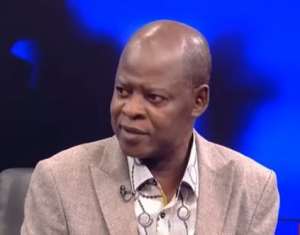
The Chairman of the Ghana Extractives Transparency Initiative, Steve Manteaw, has explained why Civil Society Organizations (CSOs) have remained largely silent on the controversial GoldBod Bill.
According to him, the lack of outcry stems from the government’s open and inclusive approach in the bill’s passage.
"When politicians are proactive in creating opportunities for citizens to input into major policy decisions, there’s usually less acrimony," he noted in an article on Facebook.
Manteaw disclosed that a stakeholder consultation was first held in Accra, followed by a separate engagement with CSOs, during which concerns about regulatory conflicts and transparency were addressed.
"The CSOs were given the opportunity to submit a paper on some of their proposals, which they took advantage of. These did not generate the usual controversy and agitation because the GoldBod Committee was open to advice and criticism," he explained.
He praised the John Dramani Mahama administration for prioritizing citizen engagement in policymaking.
"When they create opportunities for citizens’ engagement, they get told all the misgivings and issues of disagreement in the room," he said.
Despite this, Manteaw acknowledged that some individuals still have reservations about the bill and encouraged them to direct their concerns to the GoldBod Committee.
"I can assure you that they are very receptive," he added.

 Wee smokers invade Swedru Methodist Basic School, turn classrooms into hideouts ...
 Otumfuo approved the date for my father’s funeral — Adwoa Safo
 Akofena is embarrassing the family, destroying our late father's legacy – Adwoa ...
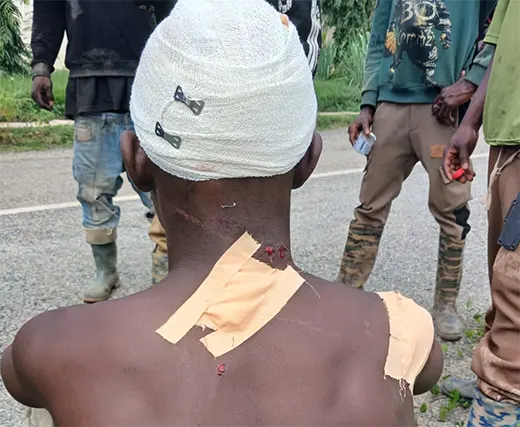 Illegal chainsaw operators shoot reforestation worker at Abesewa Forest
 ICS heads to Supreme Court to ban dog and cat slaughter, consumption in Ghana
 “Where are the 800,000 jobs?" — Patrick Boamah questions govt
 Patrick Boamah alleges several procurement breaches in Ato Forson’s constituency...
 Adu-Boahene Trial: GH¢49.1m from National Signals Bureau account – Prosecution ...
 32 more Ghanaians return from South Africa
 “I warned you several times" — Otumfuo destools 110-year-old chief of Kenyase No...

