




Introduction
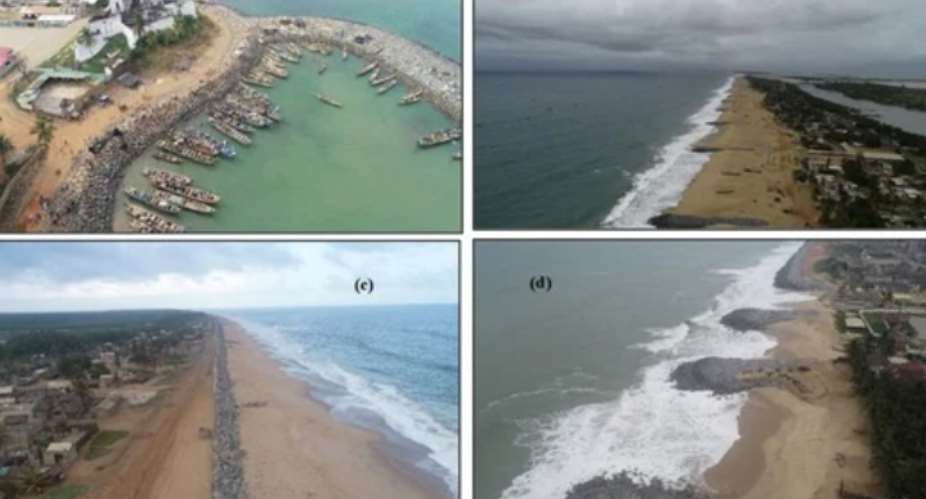
Ghana's 500-kilometer coastline, stretching along the Gulf of Guinea, is home to vibrant communities and rich biodiversity. However, it faces severe challenges from tidal waves, coastal erosion, and rising sea levels. These issues have displaced thousands of residents, destroyed infrastructure, and threatened livelihoods, particularly in the Volta Region and other coastal areas. This review explores the affected areas, potential solutions, funding opportunities, and provides detailed recommendations, including cost estimates for priority regions, for the Mahama administration to address these pressing challenges.
Affected Areas
1. Volta Region:
- Communities such as Dzita, Keta, Horve, Blekusu, and Adina have been severely impacted by tidal waves, leading to the destruction of homes, schools, and farmlands.
- The Keta-Aflao road, a critical trade route, is at risk of being submerged due to advancing sea levels.
2. Greater Accra Region:
- Areas such as Sakumono and Ada experience recurring tidal waves, displacing residents and damaging property.
3. Western Region:
- Coastal towns like Axim and Shama face significant erosion, threatening fishing activities and infrastructure.
4. **Central Region**:
- Communities like Cape Coast and Elmina are grappling with erosion exacerbated by sand mining and other human activities.
Challenges
1. Environmental Degradation:
- Coastal erosion progresses at an alarming rate, with the sea advancing inland by an average of two meters per year in some areas.
- Loss of mangroves and wetlands has reduced natural barriers against tidal waves.
2. Displacement and Livelihood Loss:
- Thousands of residents have been displaced, with many living in makeshift shelters.
- Fishing and agriculture, the primary livelihoods of coastal communities, are severely affected.
3. Inadequate Infrastructure:
- Existing sea defense projects are insufficient to protect all vulnerable areas.
- Limited access to early warning systems exacerbates the impact of tidal waves.
Proposed Solutions by Location
1. Volta Region
- Estimated Cost: $150 million
- Recommendations:
- Expand ongoing sea defense projects, including the Blekusu Coastal Protection Project, to cover vulnerable communities.
- Restore mangroves and wetlands to act as natural barriers against tidal waves.
- Relocate severely affected communities to safer areas with sustainable housing and livelihood support.
2. Greater Accra Region
- Estimated Cost: $100 million
- Recommendations:
- Construct seawalls and groynes to protect critical infrastructure and coastal properties.
- Establish advanced early warning systems for timely alerts about tidal waves.
- Strengthen policy enforcement to regulate harmful practices like sand mining.
3. Western Region
- Estimated Cost: $120 million
- Recommendations:
- Develop integrated coastal management strategies combining engineering and community solutions.
- Support alternative income programs for displaced fishing communities.
- Regularly monitor the effectiveness of implemented protection measures.
4. Central Region
- Estimated Cost: $80 million
- Recommendations:
- Build revetments and seawalls to safeguard historical and residential areas.
- Initiate public awareness campaigns to reduce human activities that worsen erosion, such as sand mining.
- Collaborate with international organizations to secure grants for infrastructure projects.
Funding Opportunities
1. Government Allocations:
- Increase budgetary allocations for coastal protection projects in the annual national budget.
2. International Grants and Loans:
- Leverage funding opportunities from organizations like the World Bank, African Development Bank (AfDB), and Green Climate Fund (GCF).
- Explore grants from the Blue Action Fund, which supports marine and coastal resilience projects.
3. Public-Private Partnerships (PPPs):
- Engage private sector partners to co-finance large-scale infrastructure projects.
- Encourage corporate social responsibility (CSR) initiatives from companies operating in coastal regions.
4. Community-Based Initiatives:
- Mobilize local resources through crowdfunding and community fundraising efforts.
- Partner with NGOs to implement small-scale, nature-based solutions.
Recommendations to the Mahama Administration
1. Prioritize Coastal Protection:
- Allocate additional resources to expand sea defense projects and nature-based solutions.
- Focus on high-risk areas, such as the Volta Region and Greater Accra, to protect vulnerable communities.
2. Enhance Community Engagement:
- Involve local communities in planning and implementing coastal protection measures.
- Provide alternative livelihoods to reduce dependency on fishing and agriculture.
3. Strengthen Policy Frameworks:
- Update and enforce coastal management policies to address emerging challenges.
- Collaborate with regional and international partners to share best practices and resources.
4. Leverage Funding Opportunities:
- Actively pursue grants and loans from international organizations to finance large-scale projects.
- Establish a dedicated fund for coastal protection, supported by public and private contributions.
5. Promote Transparency and Accountability:
- Ensure that funds allocated for coastal protection are used effectively and transparently.
- Regularly report on the progress of projects to build public trust and confidence.
Conclusion
Coastal erosion and tidal waves pose significant threats to Ghana's coastal communities, jeopardizing livelihoods, infrastructure, and ecological balance. These challenges demand decisive action, strategic investments, and robust community involvement. The Mahama administration has a unique opportunity to lay the foundation for a sustainable future by implementing the outlined recommendations and ensuring effective use of available resources.
A key solution lies in the development of satellite communities for displaced individuals, offering safer living environments equipped with essential infrastructure, social services, and sustainable livelihood programs. Such communities will not only protect affected populations but also ensure long-term resilience and economic stability.
By integrating these measures—ranging from sea defenses to community resettlement and leveraging international partnerships—Ghana can effectively mitigate the impact of coastal erosion and tidal waves. This approach will safeguard the nation’s coastline, enhance the well-being of its citizens, and establish a blueprint for sustainable coastal management in the region.
Retired Senior Citizen
Teshie-Nungua


 Cabinet approves Ghana’s bid to join BRICS — Ablakwa
 PAC grills Central Regional Coordinating Council over GH¢14.88m GIFMIS breach
 GoldCoast GRC offshore activities suspended over stakeholder concerns
 Oyibi Area Community Bank manager granted bail for stealing GH¢1million from cus...
 “We don’t have money to fuel DRIP equipment” — Bongo DCE tells Namoo Assemblyman
 Kojo Bamba is one of the answers to NPP’s 2024 defeat – Brako-Powers
 'That road is my sweat; If you doubt let’s swear” — Pusiga MP Fires back at crit...
 Use civil law, not arrests, to address free speech excesses – Afenyo-Markin
 Kojo Bamba's past does not bar him from holding office in NPP – Egyapa Mercer
 India's External Affairs Minister begins 2-day official visit to Ghana


