




In a major step toward improving access to higher education, the government has allocated GH¢499.8 million in the 2025 budget to implement the 'No-Academic-Fee' policy for first-year students in public tertiary institutions.
This initiative, introduced under the ‘No-Fees-Stress’ program, aims to alleviate the financial burden on students and their families while fostering greater enrolment in higher education.
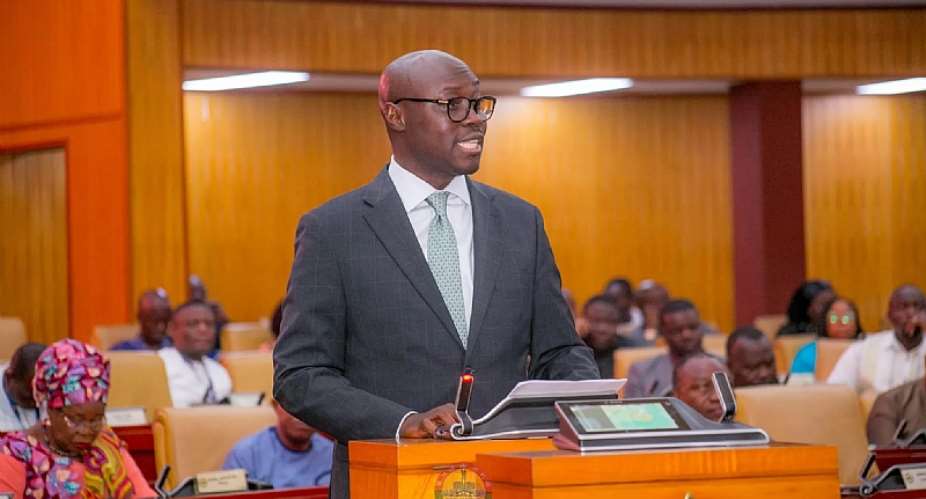
Finance Minister Dr. Cassiel Ato Forson announced during his budget presentation in Parliament, emphasising the government's commitment to education as a key pillar of national development.
He noted that removing academic fees for first-year students will provide much-needed financial relief to thousands of households struggling with the rising cost of tertiary education.
The policy is expected to significantly increase enrolment rates at public universities, technical universities, and other tertiary institutions by eliminating a major barrier to entry. Many students who previously faced financial constraints in pursuing higher education will now have the opportunity to enrol without worrying about tuition fees for their first year.
Some education experts, such as Kofi Asare, the Executive Director for Education Watch (EduWatch), have welcomed the initiative, citing its potential to drive human capital development and create a more skilled workforce to support national economic growth.
He argues that reducing the financial barriers to higher education will not only benefit students but also contribute to the long-term prosperity of the country.
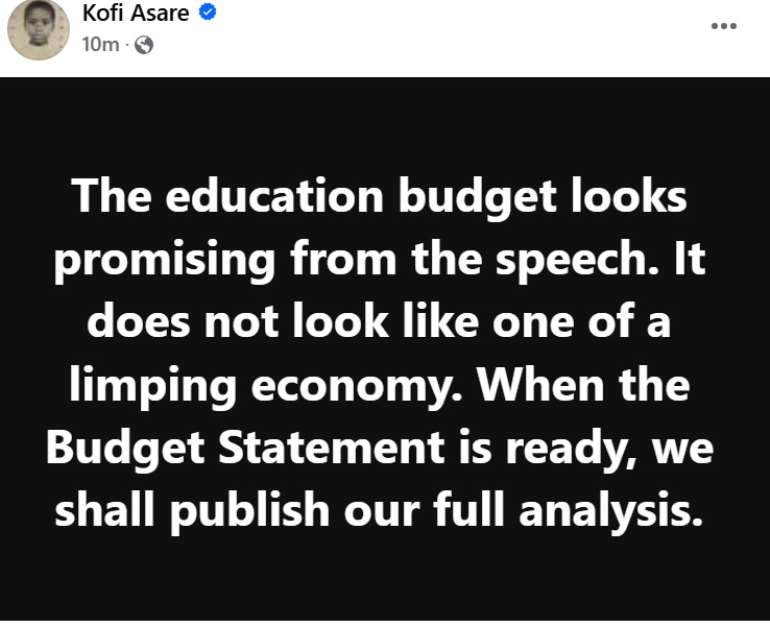
''The education budget looks promising from the speech. It does not look like one of a limping economy. When the budget statement is ready, we shall publish our full analysis," he said on Facebook.
While the initiative has been widely praised, questions have been raised about how the government will sustain funding for the policy in the long run. Some analysts suggest that strategic planning and efficient allocation of resources will be key to ensuring the success and continuity of the program.
The No-Academic-Fee policy aligns with the government’s broader agenda to make education more accessible and inclusive. As the initiative takes effect, many families and students will be looking forward to its implementation, hoping that it marks the beginning of a more affordable and equitable higher education system in Ghana.

 Ghana announces visa-free travel to Maldives, Zambia and Antigua and Barbuda
 Mahama swears in three new Supreme Court justices, urges judicial independence
 'Aren’t you over dramatising after you advised Akufo-Addo to give us ugly financ...
 Hopeson Adorye urges security agencies to investigate Obiri Boahen’s warning to ...
 'Administer justice without fear or favour, affection or ill will' — Mahama tell...
 Tema Port congestion alone cannot justify GHS12 cement price increment – GPHA
 UTAG-KNUST threatens legal action over Pro-VC and Dean appointments
 NPP is recycling failed politicians in its upcoming national executive elections...
 30,000 job creation projection for Accra-Kumasi Expressway is even conservative ...
 'You can't use profits to finance the creature comforts of management and boards...


