




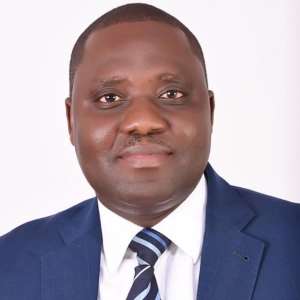
The Member of Parliament for Atwima Nwabiagya North in the Ashanti Region, Frank Yeboah, is calling for increased funding and technical support for the Bureau of Ghana Languages (BGL) to enhance its indigenous language development programs.
He also urged the Legislature to push the government to fully implement the language-in-education policy by increasing investment in teaching materials and training teachers in indigenous languages.
Describing mother tongue as central to Ghanaian identity, Mr. Yeboah made the call on the floor of Parliament on Friday, February 21, in a statement marking this year’s International Mother Language Day.
According to him, Ghana cannot afford to lose its diverse indigenous languages and must take urgent steps to preserve them.
"Mr. Speaker, we cannot afford to lose our indigenous languages, for in them lies the heart and soul of our identity as Ghanaians. Let us act now to protect and promote them, ensuring that future generations inherit not just the words, but the history, values, and wisdom they carry," he stated.
The MP further emphasized the need to integrate indigenous languages into technology and the media to ensure their relevance in the digital age.
He noted that International Mother Language Day presents an opportunity for all to reaffirm a collective commitment to safeguarding linguistic heritage for future generations. He stressed the importance of "community-led language preservation programmes, including storytelling, oral history documentation, and intergenerational language transmission initiatives."
Highlighting the significance of language to cultural identity, he remarked, "Language is not merely a tool for communication, it is the foundation of culture, identity, and historical continuity. Our indigenous languages carry the wisdom, traditions, and worldviews of our ancestors, shaping our understanding of ourselves and our communities."
Expressing concern over the decline of Ghanaian languages, he cited data from the Ghana Statistical Service, noting that many indigenous languages are at risk of extinction due to urbanization, globalization, and the growing dominance of English.
"According to the Ghana Statistical Service in 2023, many of these languages are under threat of extinction due to the pressures of urbanization, globalization, and the increasing dominance of English language in education and media," Hon. Yeboah noted.
Read the full statement below:
STATEMENT BY HON. FRANK YEBOAH, MP FOR ATWIMA NWABIAGYA NORTH CONSTITUENCY, ON INTERNATIONAL MOTHER LANGUAGE DAY WHICH FALLS ON 21ST FEBRUARY, 2025.
Right Honourable Speaker, thank you for the opportunity to contribute to this important discussion on the occasion of International Mother Language Day. This day, observed globally on February 21st, serves as a reminder of the urgent need to preserve and promote linguistic diversity.
In Ghana, where we are blessed with over 80 indigenous languages, this occasion presents an opportunity to reaffirm our commitment to safeguarding our linguistic heritage for future generations.
Mr. Speaker, language is not merely a tool for communication - it is the foundation of culture, identity, and historical continuity. Our indigenous languages carry the wisdom, traditions, and worldviews of our ancestors, shaping our understanding of ourselves and our communities. Yet according to the Ghana Statistical Service in 2023, many of these languages are under threat of extinction due to the pressures of urbanization, globalization, and the increasing dominance of English language in education and media.
Right Honorable Speaker, according to UNESCO’s Atlas of The World’s Languages in Danger 2021, several Ghanaian languages are classified as endangered, with a declining number of native speakers. Many young Ghanaians today struggle to communicate fluently in their mother tongues due to lack of formal education in these languages and the growing preference for English language in social and professional settings. This trend, if left unchecked, could result in the extinction of some of our rich languages.
Mr. Speaker, Ghana’s language-in-education policy has seen frequent shifts over the years. The current policy mandates the use of local languages as the medium of instruction from kindergarten to primary three before transitioning to English. However, its implementation has been inconsistent, partly due to the limited availability of learning materials and trained teachers proficient in indigenous languages.
Right Honourable Speaker, the Bureau of Ghana Languages (BGL), established in 1951, has played a pivotal role in promoting and preserving Ghanaian languages through publications, translations, and language development programmes. However, the Bureau faces significant challenges, including understaffing, inadequate funding, and lack of modern technological resources. If we as representatives of the people, are serious about preserving our indigenous languages, this institution must be adequately resourced to fulfill its mandate effectively
Mr. Speaker, beyond government efforts, the role of community engagement, digital technology, and media cannot be overlooked. Promoting indigenous languages on radio, television, and social media platforms can help sustain their relevance among young people. Additionally, initiatives such as oral history documentation, digital dictionaries, and language-learning applications must be encouraged to bridge the intergenerational linguistic gap.
Right Honourable Speaker, I urge this august House to support the government to:
1. Strengthen the Bureau of Ghana Languages (BGL) by increasing funding and technical support for its language development programmes.
2. Ensure full implementation of the language-in-education policy by investing in teaching materials and training teachers in indigenous languages.
3. Encourage the integration of indigenous languages in technology and media, ensuring they remain relevant in the digital age.
4. Promote community-led language preservation programmes, including storytelling, oral history documentation, and intergenerational language transmission initiatives.
Mr. Speaker, we cannot afford to lose our indigenous languages, for in them lies the heart and soul of our identity as Ghanaians. Let us act now to protect and promote them, ensuring that future generations inherit not just the words, but the history, values, and wisdom they carry.
Right Honourable Speaker, I thank you once again for the opportunity.
Hon Frank Yeboah, MP- Atwima Nwabiagya North

 NDC MP explains why Kevin Taylor was not arrested when he returned to Ghana
 Disruption of global order: 'We must expand opportunities for youth' – Mahama
 WN/R: Residents raise concern over abandoned truck on Benchemaa-Oseikojokrom hig...
 Gov’t invests GH¢4.12bn into road infrastructure in Bono Region — Asiedu Nketiah
 Mahama to cut sod for Sunyani Sports Stadium project in October
 Kwesi Pratt urges Ghana to revisit Nkrumah’s seven-year development Plan
 Ghana Jollof saga: 'Power is transient' — Annoh-Dompreh cautions against partisa...
 “I loved NDC but I’ve been disappointed and I’ve learned my lesson” — Mzbel
 Sista Afia laments how colleague musicians turned down her feature requests
 Joining NDC did me more harm than good – Mzbel


