




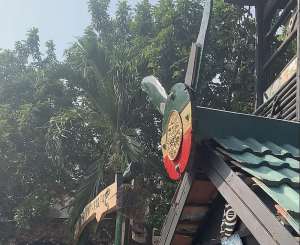
Wheel Story House, Ghana – Architectural Marvel Crafted from Recycled Materials
Nestled in the heart of Ghana, the Wheel Story House emerges as a groundbreaking architectural masterpiece, redefining the boundaries of sustainable design. This innovative project, constructed entirely from recycled materials, stands as a testament to the transformative potential of eco-conscious architecture. Beyond its striking visual appeal, the Wheel Story House embodies a profound commitment to environmental stewardship, cultural preservation, and community empowerment. This article explores the intricate design, construction methodologies, and far-reaching impact of this remarkable structure, which is setting new standards for sustainable architecture in Africa and beyond.
Architectural Design: A Harmonious Blend of Tradition and Modernity
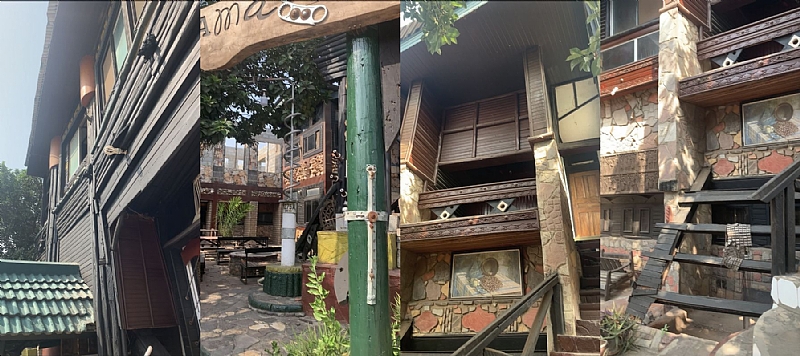
The Wheel Story House is a stunning fusion of Ghana’s rich cultural heritage and contemporary architectural innovation. The design seamlessly integrates traditional Ghanaian architectural elements with modern sustainable practices, creating a structure that is both visually captivating and environmentally responsible. The architects have masterfully balanced aesthetics with functionality, ensuring that the building not only serves as a living space but also as a symbol of sustainable living.
The use of recycled materials is central to the design ethos, with every component of the house reflecting a commitment to reducing waste and minimizing environmental impact. From repurposed shipping containers to salvaged wood and recycled metal, the materials are carefully selected and artfully incorporated into the design. The result is a structure that is not only eco-friendly but also a celebration of Ghana’s cultural identity and architectural ingenuity.
Innovative Use of Recycled Materials: Redefining Construction Practices
At the heart of the Wheel Story House lies its innovative use of recycled materials. The architects have demonstrated that sustainability and beauty can coexist by transforming discarded materials into a functional and aesthetically pleasing structure. Shipping containers, often seen as industrial waste, have been repurposed into modular living spaces, while salvaged wood and recycled metal have been used to create intricate design elements that add warmth and character to the building.
This approach not only reduces the demand for virgin resources but also significantly lowers the carbon footprint associated with traditional construction methods. By showcasing the potential of recycled materials, the Wheel Story House challenges conventional notions of construction and inspires architects and builders to rethink their approach to material sourcing and usage.
Construction: A Marriage of Craftsmanship and Sustainability
The construction of the Wheel Story House is a testament to the seamless integration of traditional craftsmanship and modern sustainable practices. Local artisans, skilled in time-honored building techniques, played a pivotal role in the project, ensuring that the structure reflects Ghana’s cultural heritage. At the same time, cutting-edge technologies were employed to enhance the building’s energy efficiency and environmental performance.
The construction process itself was a model of sustainability. Waste was minimized, and materials were sourced locally whenever possible, reducing transportation emissions and supporting the local economy. The result is a building that not only stands as a paragon of sustainable architecture but also serves as a source of pride for the local community.
Challenges and Solutions: Overcoming Obstacles with Innovation
Building with recycled materials presents unique challenges, from ensuring structural integrity to addressing durability concerns. The architects of the Wheel Story House tackled these challenges head-on, employing rigorous testing and innovative engineering solutions to create a structure that is both safe and long-lasting. By adhering to international sustainability standards, they ensured that the building meets the highest benchmarks for environmental performance and safety.
One of the key challenges was sourcing and preparing recycled materials for construction. Each material had to be carefully inspected, treated, and adapted to meet the project’s requirements. This meticulous process underscores the architects’ commitment to quality and sustainability, proving that recycled materials can be used to create structures that are as durable and reliable as those built with conventional materials.
Sustainable Features: A Green Oasis in the Ghanaian Landscape
The Wheel Story House is more than just a residence; it is a green oasis designed to minimize its environmental impact and promote sustainable living. The building incorporates a range of eco-friendly features, including rainwater harvesting systems, solar panels, and energy-efficient lighting. These features not only reduce the building’s carbon footprint but also provide a model for sustainable living that can be replicated in other projects.
The use of natural ventilation and passive cooling techniques further enhances the building’s energy efficiency, reducing the need for artificial cooling systems. Landscaping around the house includes native plants that require minimal water, creating a harmonious relationship between the building and its natural surroundings.
Environmental Impact: Quantifying the Benefits
The environmental benefits of the Wheel Story House are both significant and measurable. By using recycled materials, the project has significantly reduced the demand for virgin resources, leading to a substantial decrease in carbon emissions associated with traditional construction. The incorporation of sustainable features, such as solar panels and rainwater harvesting systems, further reduces the building’s ecological footprint.
In addition to its direct environmental benefits, the Wheel Story House serves as a powerful educational tool, raising awareness about the potential of sustainable architecture and inspiring others to adopt eco-friendly practices. Its success demonstrates that sustainable design is not only feasible but also economically viable, paving the way for a more sustainable future.
Community Impact: Empowering Lives Through Architecture
Beyond its architectural and environmental significance, the Wheel Story House has had a profound impact on the local community. The project has created jobs and provided training opportunities for local artisans, empowering them with new skills and knowledge. Educational programs and workshops hosted within the space have further enriched the community, fostering a culture of sustainability and innovation.
The Wheel Story House is more than just a building; it is a catalyst for positive change. By engaging with the local community and addressing their needs, the architects have created a space that not only serves a functional purpose but also contributes to the social and economic development of the area.
Future Implications: Inspiring Sustainable Architecture in Africa and Beyond
The success of the Wheel Story House has far-reaching implications for the future of sustainable architecture in Africa and beyond. The project serves as a powerful example of what can be achieved when sustainability is prioritized in architectural design. It challenges architects and urban planners to rethink their approach to construction and to embrace innovative solutions that minimize environmental impact.
The influence of the Wheel Story House is already being felt globally, with architects and developers taking note of its success and incorporating recycled materials into their own projects. This shift towards more sustainable practices marks a transformative phase in the architectural industry, one that holds the promise of a greener and more sustainable future.
Conclusion: A Sustainable Beacon in Ghanaian Architecture
In conclusion, the Wheel Story House is a shining example of the transformative power of sustainable architecture. From its innovative use of recycled materials to its profound impact on the environment and community, every aspect of this project reflects a commitment to creating spaces that are not only functional but also environmentally and socially responsible. As the world grapples with the urgent need for sustainable living, the Wheel Story House stands as a beacon of inspiration, demonstrating that architecture can be a powerful tool for positive change. It is a testament to the potential of sustainable design to create a better future for all.
Sulley Kone
+233244805619


 Don’t let speed of information become your judgement — Chief Justice tells new l...
 ‘Big Push’: Government assures contractors of prompt payments
 GES to develop plan to recover teaching time lost during teachers’ strike – Clem...
 Fire guts Kumasi Central Market near Aboabo Station
 'All human emotions': French astronaut Sophie Adenot's first words since returni...
 French astronaut recounts 'astonishing' emotions after return to Earth
 India's 'cockroach' movement chief detained ahead of major protest
 Strike suspended, but negotiations for teachers’ benefits not over — GNAT
 CSA rejects FBI claims, insists Ghana led cybercrime operation
 Govt suspends enforcement of ban on preaching in moving vehicles


