




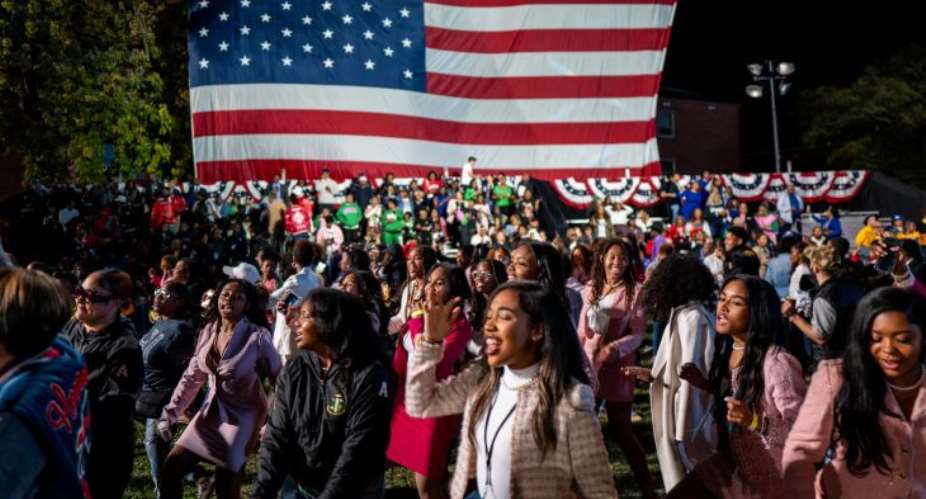
Let’s face reality: the divisions we experience today are not solely the product of one person’s actions, nor can they be laid entirely on Trump’s shoulders. These fractures have been long in the making, with complex forces, like the feminist movement, playing a role. While this movement has championed crucial issues, it may have inadvertently created a perceived gender divide, drawing many men toward Trump and many women toward Harris.
Consider the broader impact of media rhetoric. Statements on major networks often went beyond simply celebrating the Harris campaign; at times, they conveyed tones that implicitly aligned with feminist ideals that some perceived as challenging traditional male roles. This undertone may have subtly amplified polarization, leading many men to rally around a candidate they felt safeguarded their interests.
These gender dynamics converged with other cultural divides, including religion, race, power, and identity, leaving people in deeply conflicted positions. For instance, Black men may have felt torn between opposing white supremacy and questioning aspects of feminism that didn’t resonate with their own experiences. This emotional strain contributed to complex loyalties and challenging choices at the polls.
In the aftermath, we saw powerful responses, especially among young women who engaged in symbolic protests, some declared they’d avoid dating men, while others changed their appearances as statements against perceived gender inequality. Such actions reflect the emotional impact of these divides and highlight the resurgence of the feminist movement’s symbolic power.
While Trump’s victory undeniably emboldened some elements of white nationalism, the feminist movement’s rise equally empowered a new wave of activism. Those caught in between face a stark choice: align with one extreme or forge a middle path.
For many men, the notion of ceding political power to a woman may have been more challenging than supporting a familiar male figure, which likely influenced voting patterns in the Trump-Harris race.
The reality is clear: the divisiveness of today is a shared burden. Beyond any one leader, it arises from a convergence of social movements, each intensifying the other, shaping a polarized landscape that America must now confront.
Even as someone who favored Harris over Trump, I’m not blind to the facts. Trump possesses strong qualities, and like each of us, he has his flaws. He has won, and we all share an obligation to work toward the success of his presidency, for the success of a nation directly reflects the success of its president.
I urge everyone to reject divisiveness, regardless of its origin, and come together in unity.
In Christ🙏🏾
… by Dr. Michael Buadoo


 Govt to distribute first batch of 129 vehicles to MMDCEs in 12 regions
 UG Vice-Chancellor calls for oral exams, project-based assessment to deal with A...
 'I will use everything I have to clear my name' – Obuasi SHTS headmaster fights ...
 NPA to strengthen ties with UMaT to drive downstream petroleum sector
 'Report school abuse directly to Education Ministry' – Deputy Minister tells stu...
 'It's a curse on you' – Water Minister badmouths 'malware' workers sabotaging Gh...
 Tap water no longer drinkable near South Africa capital
 96 health facilities under construction in Ashanti Region
 Afenyo-Markin files fresh suit against Sammy Gyamfi, Eric Adjei over extortion c...
 GoldBod reforms create 4,866 direct jobs in less than two years — Sammy Gyamfi


