




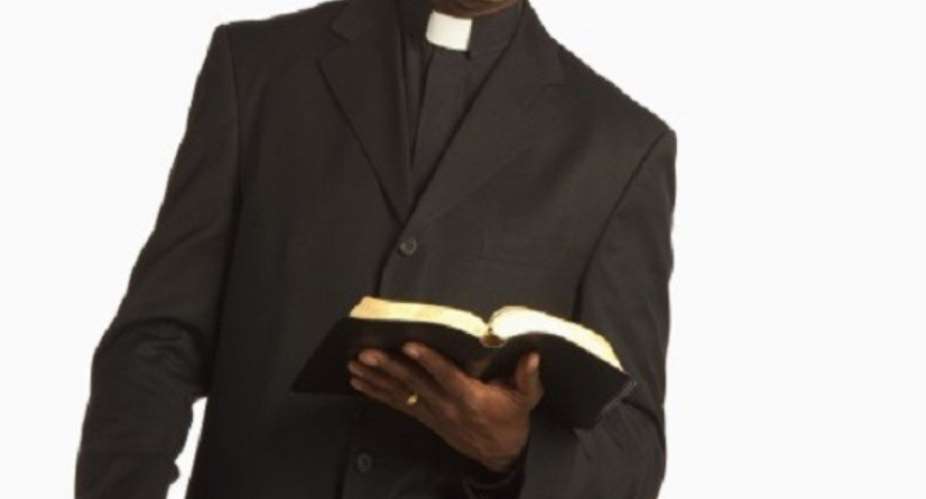
Elections are here with us again. Since the coming to stay of the 4th Republic of Ghana, the 2024 December 7 election would be the 9th in succession. A lot has gone down the drain regarding religion and politics in Ghana’s 32 years of stable democracy. However, between 2012 and now, some form of religious-political prophetic environment has emerged in Ghana giving birth to hundreds of ‘so- called men of God’ and predicting election results in one way or the other ostensibly to gain fame or amass support pr followers. While some welcomed these nuisances, others frowned sharply on it. The two major political parties in Ghana have been seen rushing to these men of God for ‘political prophetic messages’, and are seen deeply believing in them to their utmost detriment most of the time.
Sincerely, from where I sit, these so-called Latter-day political prophecies in Ghana are causing quite a stir, and their impact on the social fabric is multifaceted. Prophetic Controversies have become a norm, with some self-acclaimed prophets making pronouncements that create fear, panic, and chaos among the populace. These prophecies often focus on deaths, diseases, or calamities, and are frequently broadcast on media outlets, causing widespread anxiety. These prophecies have caused serious erosion of trust, as many Ghanaians begin to question the motives of these prophets. Many Ghanaians have accused these ‘men of God’ of seeking fame, wealth, and power, rather than genuinely serving the Lord. This skepticism has led to a decline in trust not only in the prophetic ministry but also in Christianity as a whole. Some of these Prophets are using public platforms to reveal private information about individuals, especially politicians, causing embarrassment, stigma, and emotional distress. This blatant disregard for confidentiality has led many to wonder if these prophets are more interested in self-promotion than in serving God.
Some even resort to the Invective Ministry Syndrome where they use insults, curses, and vituperation to attack their perceived opponents (colleagues in the same business). This toxic behavior has created a culture of intolerance, where disagreement is met with aggression, rather than respectful dialogue. Latter-day political prophecies in Ghana have bred an irresistible culture of Political Polarization with some prophets openly aligning themselves with specific political parties or ideologies and forcing their followers and congregants to do the same even against their free will. This has created divisions within the church and society, undermining the prophetic ministry's credibility and relevance.
We need not forget that these fallacious Political prophecies can indeed have an impact on election outcomes in Ghana. In a country where spirituality and faith play a significant role in people's lives, prophetic declarations can influence voters' decisions and shape public opinion. In my view, some of the factors contributing to the influence of political prophecies include Spiritual Significance where many Ghanaians seek spiritual guidance and validation, making prophetic words carry weight in their decision-making process. It is also to boast of who has the wider media coverage in terms of prophetic declarations, their reach, and impact. The proliferation of these unnecessary ‘so-called prophecies’ also arose because psychologically, they can play on people’s emotional intelligence. Prophecies often tap into people's emotions, fears, and hopes, making them more relatable and memorable. For instance, during the 2020 elections, various prophets made predictions about the outcome, some of which gained significant attention. While it's difficult to quantify the direct impact of these prophecies on the election results, they undoubtedly contributed to the national conversation and shaped public perception in many spheres.
Potential Consequences of Political Prophecies here in Ghana include but are not limited to voter mobilization: because as a religious nation, prophecies in Ghana can motivate or demotivate voters, depending on the message. Some of these prophets have very large followers, so, some politicians also rely on them to gain popularity and legitimization, with the hope that mass endorsements from influential prophets can boost their credibility. In most cases, social cohesion has been seriously and irreparably damaged by these divisive prophecies that only exacerbated existing tensions and created social unrest.
Politics in Ghana without any equivocation has indeed been influenced by fallacious prophetic antics, which have become a concerning trend. Some self-proclaimed prophets have made predictions about election outcomes, and other sensational claims, often using media outlets to spread their messages. These prophecies often created fear, panic, and anxiety among the populace, and some have even been accused of using their platforms to seek fame, wealth, and power.
The constant stream of false or misleading prophecies has led to widespread skepticism and distrust among Ghanaians, not only towards these prophets but also towards Christianity as a whole. It is a worrying trend that some political prophetic declarations are used to mobilize support for or against particular politicians or parties, often along ethnic or regional lines, exacerbating existing divisions, and causing in some instances unresolved media sensationalism where the pursuit of ratings and clicks has led some media outlets to amplify these prophecies, further spreading misinformation and fuelling public anxiety.
While some churches like the Church of Pentecost have spoken out against these practices, emphasizing the need for prophets to adhere to biblical standards of conduct and prioritize the welfare of their followers over personal gain, I think the message and advice have not been well taken by those who are profiteering from this ungodly act. In my candid opinion, I think more needs to be done to address this issue and promote responsible prophetic ministry in Ghana rather than mere rhetorics on the pulpit.
In the build-up to the 2020 elections and again to the 2024 elections, Latter-day political prophecies in Ghana have become increasingly influential. Some of these prophecies can be divisive, predicting winners and losers, or even violence and conflict. For instance, Prophet Nigel Gaisie and Apostle Kofi King predicted a win for a particular candidate in the 2024 elections. Similarly, Archbishop Elisha Salifu Amoako also predicted a violent 2024 election, including a run-off, as well as the deaths of four leaders and as many pastors. Many more of these prophets are going to all lengths to make predictions and endorsements of one political party or the other. This to me is sad since Jesus has not taught us that. Undoubtedly, these prophecies, made by some religious leaders claiming divine revelation, can significantly impact Ghana's democracy. Many Ghanaians are deeply religious and tend to trust their leaders, who often have large followings and are believed to be very influential in their followers' lives.
It is my considered opinion that to mitigate the impact of these ungodly and unguarded behaviors by some of these ‘men of God’, religious leaders should prioritize responsible and ethical prophetic ministry, avoiding sensational and divisive predictions. Additionally, the government and civil society
organizations can promote critical thinking and media literacy to help Ghanaians discern credible information from misinformation. Ghanaians need to recognize the harm caused by these latter-day prophecies in the past and the potential harms they are impregnated with this time around and promote a more responsible, ethical, and compassionate approach to their understanding and acceptability of these ‘so-called God-sent or spoken through me messages’
The Author is a PhD student and a Pius Christian
Author: Domie Godswill ([email protected]) 0244593580
 World Cup 2026: Spain crowned champions after extra-time thriller against Argent...
 Nana B Sets Sights on Top NPP Leadership Slot, Calls for Unity Ahead of 2028
 Tribunals Bill Fears Misplaced — New System Has Built‑In Safeguards, Says Gaming...
 Suame MP Tears Into Tribunals Bill: Gov’t Hasn’t Shown What’s Broken — So What A...
 ECOWAS backs Ghana’s AU petition against xenophobia – Ablakwa
 Gov’t Moves to Scrap Double‑Track: Haruna Iddrisu to Detail Massive GH₵3bn SHS B...
 Missing 8-month-old baby found safe in Kpando
 Captain Smart cuts sod for first DVLA office in Gomoa enclave
 Committee tasked to review Adamus Resources Limited licence revocation petition ...
 'The Tribunals Bill appears to preempt constitutional review recommendations' — ...


Comments
Very educative piece Domie.Is time Ghanaians approach issues with data and scientific way instead of solely relying on these fake prophecies. After between these two political parties always one will definitely win. Indeed if their prophecies come from Almighty GOD who created Heaven and Earth with Precision and exact then they should always give us the actual figures or percentages they will get not either NDC or NPP or CPP will win. Anyway giving false prophecies in the name of Almi...