




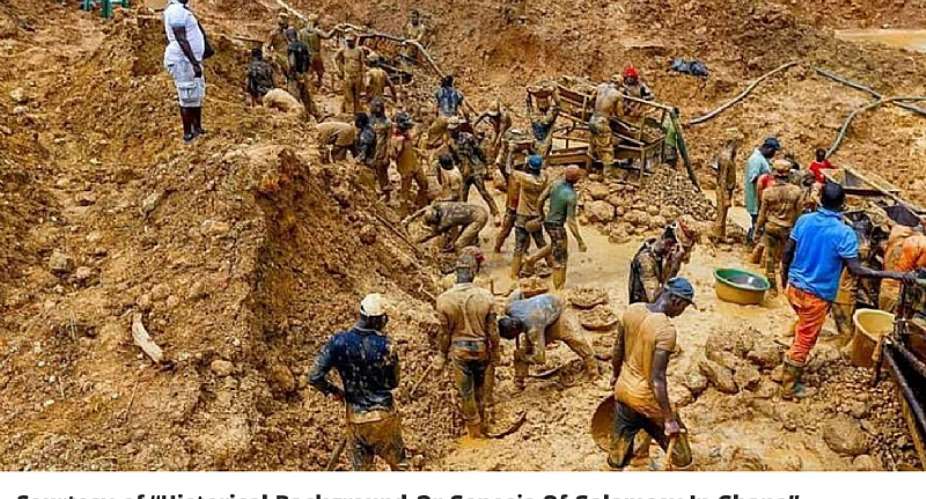
Ghana's latest gold refinery, touted as a solution to the country's unemployment woes, may inadvertently also serve the interests of illegal mining activities “galamsey” and possibly some high-ranking officials, exacerbating environmental degradation and pollution. While the refinery's arrival is a welcome development, its true impact remains in the balance.
The refinery's ownership structure raises concerns. With Ghana holding a minimal percentage, foreign or private interests may prioritize profits over environmental and social responsibilities. This could lead to (1) increased demand for impure gold, fueling illegal mining activities, (2) high officials and businesspeople profiting from illegal mining, perpetuating corruption, and (3) environmental degradation and pollution continuing unabated, threatening lives and ecosystems, to name a few.
Moreover, the refinery's processing capacity may be exploited by illegal miners, allowing them to legitimize their activities. This could (1) undermine efforts to curb illegal mining and associated environmental damage, (2) create a parallel industry, where illegal miners operate with impunity, while legal businesses are stifled and (3) further entrench corruption, as officials turn a blind eye to illegal activities, to name a few.
Notwithstanding the consequences of illegal mining activities, creating jobs is also a prime issue for the growing unemployed Ghanaians to meet their daily ends meet. The question is, are the jobs to be created by this refinery merit the associated chain of risks and environmental impacts? Will this new refinery, rather than a panacea become a conduit for perpetuating the status quo?
To truly address the consequences, Ghana must prioritize environmental stewardship and social responsibility and develop better strategies to the ongoing illegal mining issues, lest the gold industry's dark underbelly will continue to haunt the nation. There is the need for a deep-dive evaluation to the determine the expected impacts from the new refinery to develop strategies to mitigate and manage any associated risks. In the fight against galamsey Ghana must consider include (1) strengthening regulations and enforcement, holding individuals, officials, and businesses accountable, (2) investing in more sustainable mining practices, supporting legal operators and environmental rehabilitation, and (3) promoting transparency in the gold supply chain, ensuring that refined gold is sourced responsibly.


 Transport fares increased 8% from September 26
 Golokuati residents call for operationalisation of abandoned ECG office
 Frank Danquah declared wanted over alleged narcotics offences
 Ghana TVET Service warns against collection of fees in TVET institutions
 16 arrested as National Security uncovers counterfeit currency printing syndicat...
 Work without fear or favour — Shamima Muslim urges broadcasters
 MFWA begins 5-day training for journalists from northern sector on media law and...
 A/R: Assemblyman for Nkwantakese Electoral area killed
 Kumasi: Roadside trader killed in tragic accident at Brewery Traffic Light in As...
 Law student petitions CHRAJ over alleged military killing of Gbewaa Training Col...


