




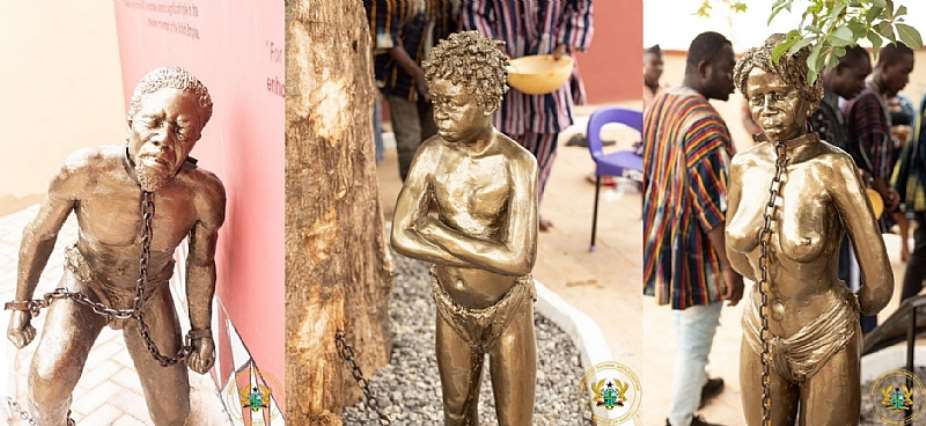
Ghana's history is inextricably linked to the transatlantic slave trade, which had a devastating impact on the country and its people. From the 15th to 19th centuries, millions of Africans were forcibly removed from their homelands and sold into slavery, with Ghana serving as a major hub for this inhumane practice.
The legacy of slavery continues to haunt Ghana today. Many historical sites associated with the slave trade, such as Cape Coast Castle and Elmina Castle, stand as stark reminders of this painful past. The trauma experienced by enslaved Africans and their descendants has been passed down through generations, manifesting in ongoing social stigma and discrimination against those with slave ancestry.
Moreover, the economic exploitation that accompanied the slave trade has had long-lasting consequences. The wealth generated by slavery fueled the rise of European colonial powers, while Ghana and other African nations were left impoverished and underdeveloped. This imbalance has persisted in the form of neo-colonialism, with former colonial powers maintaining economic and political dominance over their former colonies.
Today, Ghana continues to grapple with the effects of this legacy. Poverty, inequality, and lack of economic opportunities are widespread, particularly in rural areas. The country's reliance on exports of raw materials and natural resources, a legacy of the colonial era, has hindered its ability to develop a diverse and sustainable economy.
To break free from this cycle, Ghana must confront its past and work to address the systemic issues that perpetuate poverty and underdevelopment. This will require a multifaceted approach, including investment in education, infrastructure, and diversification of the economy. It will also necessitate a reckoning with the collective trauma of slavery and colonialism, and a commitment to building a more equitable and just society.
By acknowledging the historical roots of its challenges and taking bold steps to address them, Ghana can begin to heal the wounds of the past and forge a brighter future for its people. The struggle against neo-colonialism and poverty is a long and difficult one, but it is a battle that must be fought to ensure that the sacrifices of those who suffered under slavery and oppression were not in vain.
Thanks to the Ministry of Tourism Art and Culture and the Ghana Tourism Authority (GTA) for collaborating with the traditional authorities for the continue remembering of those who struggled for growth of the country.
Also, the commemoration of the event will help the younger generation to acquire more knowledge on the historical aspect of slavery that will also encourage those in diaspora to return home to honour the legacy of their fore fathers.
The Chief Executive of GTA Mr. Akwesi Agyeman once said, emancipation is not just about the remembrance of the abolition of slavery but also about celebrating the Ghanaian culture to create a unique sense of unity, cooperation and understanding among Africans and the world as a whole
But paying tribute to the forebears who died in the fight for freedom makes is a moment of rebirth which calls for more self-introspection and reconciliation among Ghanaians to support nation-building.
This is always the need to celebrate the heroes of the land hence the commemoration of the day in Ghana.
Commemoration of the emancipation of slaves of African descent was formerly observed in former European colonies in the Caribbean and parts of the United States to mark the anniversary of the Slavery Abolition Act 1833 in former British according to research.
Effects of slavery in Ghana
The transatlantic slave trade and colonial exploitation stripped Ghana of human and natural resources, fueling the development of Western powers while leaving Ghana impoverished. This imbalance persists today, with Ghana relying on exports of raw materials and struggling with poverty, inequality, and lack of economic opportunities.
There is therefore the need for the current policy makers to liaise with industry players, the youth and experts to identify key potentials of the country, harness on .raw materials and develop on them to create job opportunities.
Secondly, the trauma of slavery has been passed down through generations, leading to ongoing social stigma and discrimination against those with slave ancestry. Families rarely openly acknowledge slave origins, and this knowledge is tightly guarded, particularly by elderly descendants of slave owners
This also calls for more create awareness to educate the younger generation about the pat and the need to exhibit patriotism to help build the nation.
Significance of historical sites
The historical sites being refurbished for the commemoration of the Emancipation Day celebrations hold significant meaning in the context of the transatlantic slave trade and the fight for freedom especially in the communities where such slavery occurred.
Salaga Slave Market
The Salaga Slave is an 18th-century slave market located in the East Gonja District of the Savannah Region which during the Trans-Atlantic slave trade served as an important market where slaves were transported to the coast for export.
The deplorable state of the sites resulted in driving away investors affecting economic activities in the enclave.
The museum was nearly converted into a banking place, market turned into lorry park while the wells turned into defecating sites which nearly led to the defecation which deter few tourists that visited the sites.
Refurbishing the sites have helped to redeemed the image of the district and also served as a reminder of the atrocities committed during the slave trade and the resilience of those who endured enslavement.
Pikworo Slave Camp
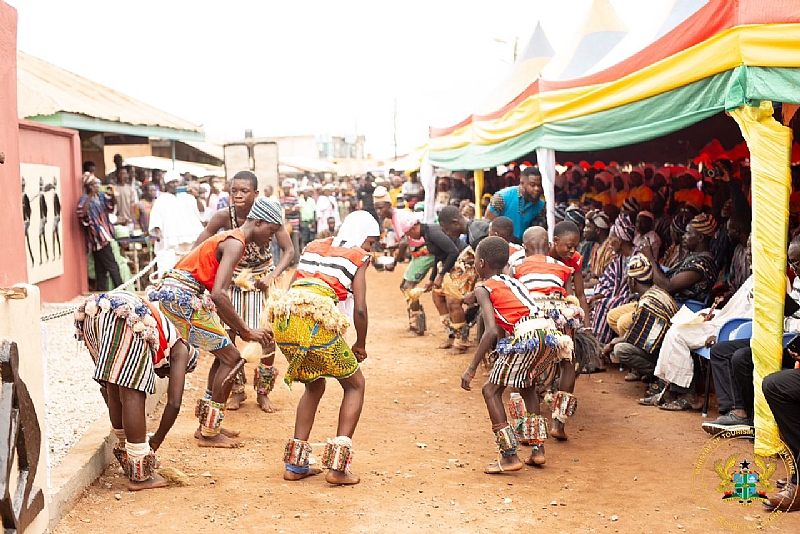
The Pikworo Slave Camp in the Upper East Region was used to hold enslaved Africans before they were transported to the coast for sale. A durbar (traditional gathering) will be held at this site to commemorate the suffering of ancestors and celebrate their resistance against slavery.
Cape Coast Castle
Cape Coast Castle, located in the Central Region, was one of the major slave trading posts on the Gold Coast. A reverential night will be held at this site to honor the memory of those who perished in the dungeons and on the slave ships.
Assin Manso (Slave River)
Assin Manso, also known as the Slave River, is the site where enslaved Africans took their last bath in Ghana before being transported to the Americas. A wreath-laying ceremony will be held at the graves of former enslaved Africans to pay tribute to their memory. By refurbishing and commemorating these historical sites, Ghana aims to preserve the memory of the transatlantic slave trade and the struggle for emancipation. These efforts serve as a reminder of the resilience and strength of the African people in the face of adversity and a call for unity and progress in the African diaspora
Significance of the celebration
This year’s Emancipation day celebration which started at Salaga of the East Gonja district of the Savannah Region called on Ghanaians to renew their commitment to build a free and peaceful nations and communities where people will have opportunities to live in dignity and prosperity.
The 26th celebration of the emancipation day celebrated annually to mark the abolition of slavery in the British Colonies in 1834 and its annual observance introduced in Ghana in 1998 to rekindle the flame of unity among black people everywhere slated for July 22 to August 1, 2024 on the theme, “Unity and Resilience; Building h2er Communities for a Brighter Future
Deputy Minister of Tourism, Arts, and Culture Mark Okraku-Mantey highlighted the importance of remembering the struggles and triumphs of ancestors who fought against slavery. He stated that the legacy of slavery and emancipation is a vital part of Ghana's history, symbolizing the remarkable capacity of the human spirit to overcome adversity.
He urged Ghanaians and the African diaspora to acknowledge the importance of Emancipation Day, celebrated on August 1, as a time to pay tribute to those who contributed to the struggle for freedom.
Akwasi Agyeman, the Chief Executive Officer of the Ghana Tourism Authority (GTA), emphasized the importance of unity and resilience among people of African descent.
He stressed the need to honor the struggles of ancestors who fought against slavery and to celebrate their courage and cultural heritage.
He stated that the theme for this year's celebrations, "Unity and Resilience: Building h2er Communities for a Brighter Future," reflects the triumphs of those who endured bondage.
He noted that the GTA is committed to redeveloping significant historical sites, such as the Salaga Slave Market, to commemorate the legacy of African ancestors and foster a sense of community among the diaspora.
He called for collective acknowledgment of Emancipation Day, which is celebrated annually on August 1st, as a time for Africans at home and abroad to come together in remembrance of their shared history and to promote justice, freedom, and equality.
Hospitality and Tourism Lecturer at the Tamale Technical University Mr Alhassan Fatwau was also of the view that those the celebration is good, it must be inculcated into the academic calendar to create more awareness in schools.
When students to get know their history, they will appreciate them and find lasting solution which make them recognize the contribution of their fore fathers, he said.
It was observed that the commemoration of the celebration at the historical site would help to market the respective sites to the world.
Despite the devastating impacts of slavery, Ghanaians have drawn on a "fight-back" culture and practices of the enslaved. Pan-Africanism was born in the diaspora, and Ghanaians have made monumental cultural achievements in literature and music that have left an indelible mark on global culture.
To address the legacy of slavery, Ghana must confront its past, acknowledge the trauma, and work to build a more equitable and just society. This will require investment in education, infrastructure, and economic diversification, as well as a commitment to unity and collective progress.
[email protected]/0241076960

 Attorney-General appeals ruling halting trial of former Buffer Stock CEO, wife
 NAIMOS destroys 1,970 changfans, 863 Illegal mining structures in three months —...
 Let's see how Asiedu Nketia becomes NDC flagbearer with same people he conspired...
 Asiedu Nketiah opts out of NDC chairmanship race amid flagbearership speculation
 NDC insists Nkwanta North elections will proceed despite court injunction
 'My side of the story will shock you; I'm waiting for court days' – Obuasi SHTS ...
 Obuasi SHTS sexual abuse: 'GES must distant itself, allow the law to work' — For...
 Upper East: Fear grips nine Kusaug communities over mysterious fish deaths in da...
 NDC suspends Amasaman Communications Officer over 'irresponsible' remarks on Obu...
 Parliament secures religious leaders’ support to end witchcraft accusations


