




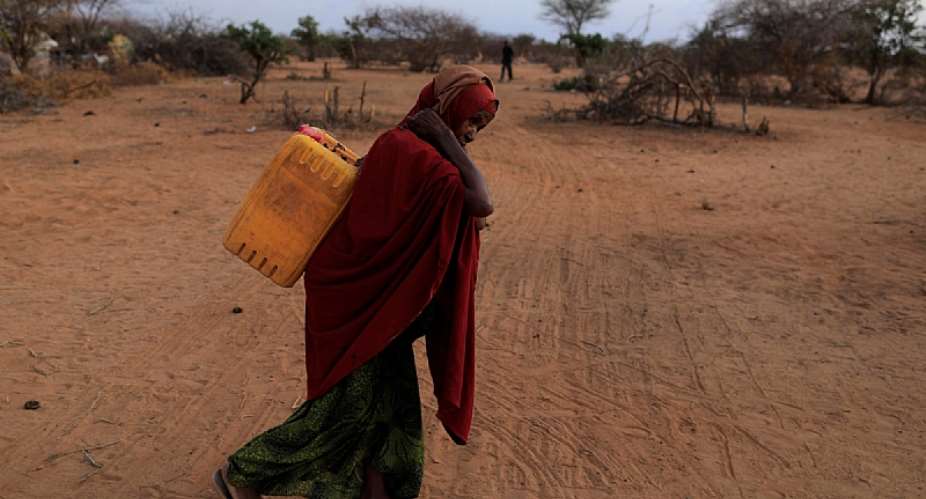
Africa is a continent rich in natural resources, encompassing vast reserves of minerals, fertile land, and diverse ecosystems. Despite this wealth, many African nations continue to struggle with high levels of poverty and underdevelopment. As of 2024, these disparities persist, leading to a significant prevalence of multinational poverty across the continent. This article seeks to examine why this paradox exists, analyze the challenges faced by African leaders, and propose mechanisms for sustainable development to alleviate poverty and foster economic growth.
Historical Context:
The history of Africa's exploitation and colonization by European powers has left enduring legacies. Colonization often prioritized resource extraction for the benefit of colonial powers, rather than fostering local development. Post-colonial African states inherited uneven economic structures, with economies heavily reliant on exporting raw materials. This dependency has hindered industrialization and economic diversification, perpetuating vulnerabilities to global commodity price fluctuations.
Causes of Poverty and Development Challenges:
1.Political Instability and Governance Issues: Many African countries have faced political instability, corruption, and weak governance structures. These factors undermine effective policy implementation, public service delivery, and investor confidence.
2.Economic Dependency on Natural Resources: Despite abundant natural resources, the over-reliance on resource extraction industries (like mining and oil) has often failed to translate into broad-based economic development. These industries typically provide limited employment opportunities and contribute unevenly to national revenues.
3.Infrastructure Deficits: Inadequate infrastructure, including transportation networks, energy systems, and digital connectivity, impedes economic activities and access to basic services.
4.Social Inequalities: Persistent social inequalities based on ethnicity, gender, and geographical location exacerbate poverty and limit social mobility. Marginalized groups often lack access to education, healthcare, and economic opportunities.
5.Climate Change and Environmental Degradation: African countries are disproportionately affected by climate change and environmental degradation. Erratic weather patterns, desertification, and natural disasters threaten agricultural productivity and food security, further exacerbating poverty.
Challenges Faced by African Leaders:
African leaders confront multifaceted challenges in addressing poverty and fostering sustainable development:
-Capacity Constraints: Limited institutional capacity and skilled human resources hinder effective governance and policy implementation.
-Debt Burden: Many African countries grapple with high levels of external debt, constraining fiscal space for investments in social services and infrastructure.
-Global Economic Dynamics: Vulnerabilities to global economic shocks and fluctuations in commodity prices affect revenue generation and economic stability.
-Political Will: Ensuring political stability and fostering consensus among diverse political and social stakeholders is crucial for implementing long-term development strategies.
Mechanisms for Overcoming Poverty and Achieving Sustainable Development:
1.Diversifying Economies**: Encouraging economic diversification beyond natural resources through industrialization, agriculture modernization, and the development of service sectors can create more inclusive growth.
2.Investing in Human Capital: Prioritizing education, vocational training, and healthcare improves workforce productivity and enhances economic resilience.
3.Improving Governance and Accountability: Strengthening institutions, promoting transparency, and combating corruption are essential for effective governance and public trust.
4.Infrastructure Development: Investing in infrastructure projects, including transportation, energy, and digital connectivity, facilitates economic activities and enhances access to essential services.
5.Promoting Regional Integration: Enhancing regional trade, cooperation, and infrastructure connectivity can expand markets, promote economic synergies, and strengthen resilience to global economic shocks.
6.Climate Resilience and Sustainable Practices: Adopting sustainable development practices, investing in renewable energy, and implementing climate adaptation strategies are critical for mitigating environmental risks and promoting long-term resilience.
Conclusion:
In conclusion, the paradox of abundant natural resources coexisting with high poverty levels in African countries is rooted in historical injustices, economic dependencies, governance challenges, and global dynamics. Addressing these issues requires concerted efforts from African leaders, international partners, civil society, and the private sector. By diversifying economies, investing in human capital, improving governance, and promoting sustainable practices, African countries can overcome poverty and achieve sustainable development. Ultimately, inclusive growth and poverty reduction hinge on creating enabling environments that empower all citizens to contribute to and benefit from economic prosperity.

 Germany’s far-right AfD landslide winner in key Saxony-Anhalt vote, early result...
 'The height of absurdity' — Ayew Afriye slams BNI over invitation of Efya Royal ...
 US envoys arrive in Moscow to thrash out plan to end war in Ukraine
 'Chief Justice was talking as a citizen; you have to look at the context in whic...
 Mandatory towing to remove broken-down, stationary vehicles from roads to begin ...
 Domelevo backs OSP probe into alleged GH¢70,000 payment to Appiagyei despite den...
 WAEC releases 2026 WASSCE results, cancels entire results of 861 candidates for ...
 Baffour Agyeman-Duah explains why profitability may not be only reason behind SO...
 5-year-old girl dies after falling into water-filled manhole at Winneba
 Sierra Leone ex-president to return after treason case dropped

