





There are women who participate in beauty pageants, and there are women who leave behind a cultural impression long after the final crown has been presented. Ohemaa Ampomah Abena Asare, popularly known as Ampomaa, the proud representative of the Ashanti Region at Ghana's Most Beautiful (GMB) 2026, belongs to the latter category.
In the landmark 20th-anniversary legacy edition of Ghana's Most Beautiful, Ampomaa distinguished herself through her elegance, confidence, cultural intelligence and passionate celebration of Asante heritage. She was more than a contestant competing for a national title; she was a compelling ambassador of the history, identity and traditions of her people.
Her journey demonstrated that beauty is not simply about physical appearance. It is also about character, cultural awareness, self-confidence and the ability to communicate the richness of one's heritage to a wider audience.
For many admirers, she represented the captivating image of an ebony queen: radiant, sophisticated, poised and unapologetically proud of her identity.
The Beauty and Elegance of an Ebony Queen
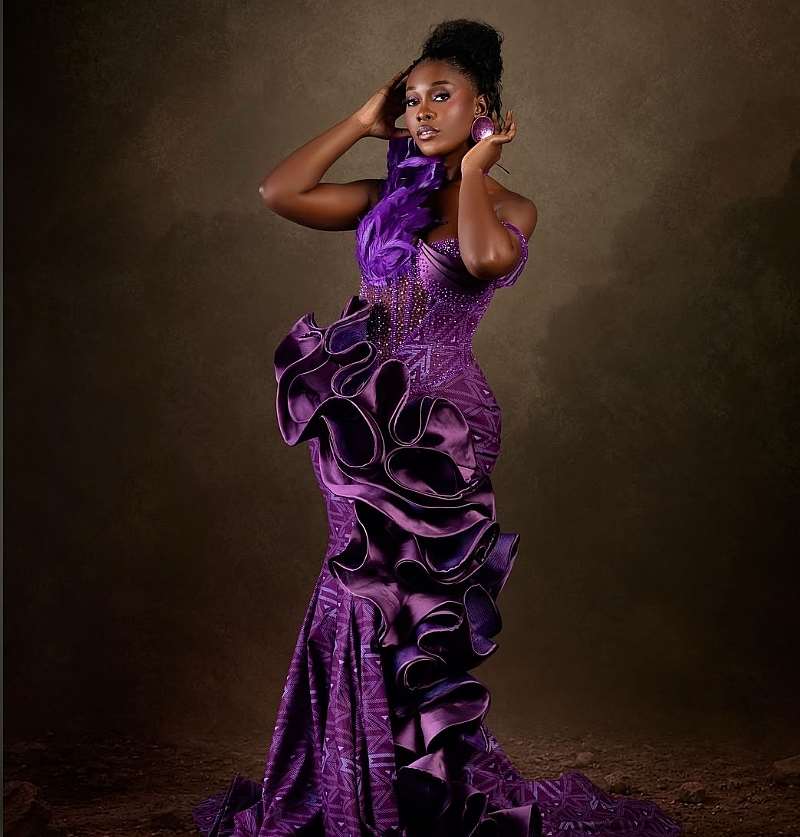
From her graceful stage presence to her carefully curated appearance, Ampomaa brought an unmistakable sense of elegance to the GMB stage.
Her radiant dark complexion, expressive features and confident demeanour complemented a versatile personal style. Whether celebrating her natural hair, appearing in sophisticated short hairstyles or embracing flowing, glamorous looks, she demonstrated an appreciation for beauty in its many expressions.
Yet her appeal extended beyond fashion and appearance.
It was visible in the way she carried herself, communicated her ideas and commanded attention without sacrificing composure. Her poise, measured delivery and confident presentation gave her an unmistakable presence.
Ampomaa demonstrated that authentic beauty is most powerful when it is accompanied by self-respect, cultural pride and confidence.
She did not need to abandon her identity to embrace glamour. Instead, she made her identity part of her glamour.
An Asante Cultural Ambassador: History, Dance and Tradition
One of the most memorable dimensions of Ampomaa's GMB journey was her commitment to showcasing the cultural heritage of Asanteman.
Her presentations explored important elements of Asante history and identity, including the Golden Stool, the Silver Stool and the cultural significance of Tepa.
These were not merely references to historical landmarks and traditional institutions. They represented a living civilisation, sustained through generations of storytelling, craftsmanship, spirituality, music, dance and customary authority.
Through her presentations, Ampomaa helped introduce audiences to the depth and diversity of Asante heritage.
Her cultural performances demonstrated how traditional dance, costume, dramatic interpretation and storytelling can preserve history while making it relevant to contemporary audiences.
She reminded viewers that Ghanaian culture is not a relic of the past. It is a living inheritance that continues to shape identity, community and national pride.
Tepa Barnie: The Sacred Spiritual Heritage of Tepa
To appreciate another dimension of Ampomaa's cultural identity, attention must turn to Tepa, her ancestral home in the Ashanti Region.
Tepa is associated with the revered Barnie Shrine, also known in popular accounts as Tepa Banie or Tepa Barnie.
Within the traditional spiritual worldview of the Akan, abosom (deities) occupy important places in the relationship between people, land, ancestry and the spiritual realm.
The Barnie Shrine is particularly significant in local accounts of Tepa's spiritual heritage. Traditional beliefs associate it with protection, the welfare of the community and the blessing of children.
The shrine is also discussed in accounts of Asante traditional spiritual institutions and their ceremonial significance.
For the people who uphold these traditions, Tepa Barnie is not simply a historical reference. It is part of a living spiritual heritage that continues to influence cultural identity and ceremonial life.
Tepa Banie Adehye: The Sacred Children and Their Distinctive Markings
One of the most fascinating aspects of the Tepa Barnie tradition concerns those identified as Tepa Banie Adehye, often described as children or descendants associated with the deity.
Their distinctive physical appearances, including patches of lighter skin and other unusual markings, have attracted attention during important traditional gatherings.
Within the traditional belief system, these characteristics are understood by adherents as signs of a special spiritual connection and divine blessing.
The appearance of members of this group at major Asante ceremonies has also brought wider public attention to Tepa's cultural and spiritual traditions.
At the 2025 funeral rites of the late Asantehemaa, Nana Konadu Yiadom III, members of the Tepa Banie group appeared in white attire and participated in a ceremonial encounter with Asantehene Otumfuo Osei Tutu II.
Their appearance attracted considerable public interest and highlighted the distinctive place of Tepa's spiritual custodians within the wider ceremonial life of Asanteman.
It is important to recognise that traditional spiritual interpretations and medical explanations are different things. Vitiligo, piebaldism and other conditions affecting skin pigmentation are not interchangeable diagnoses. The physical markings associated with this tradition should therefore be described respectfully without assuming that every individual has a particular medical condition.
The central message is one of dignity: physical differences should never be treated as defects or grounds for discrimination.
A Royal Homecoming: Tepa Celebrates Its Daughter
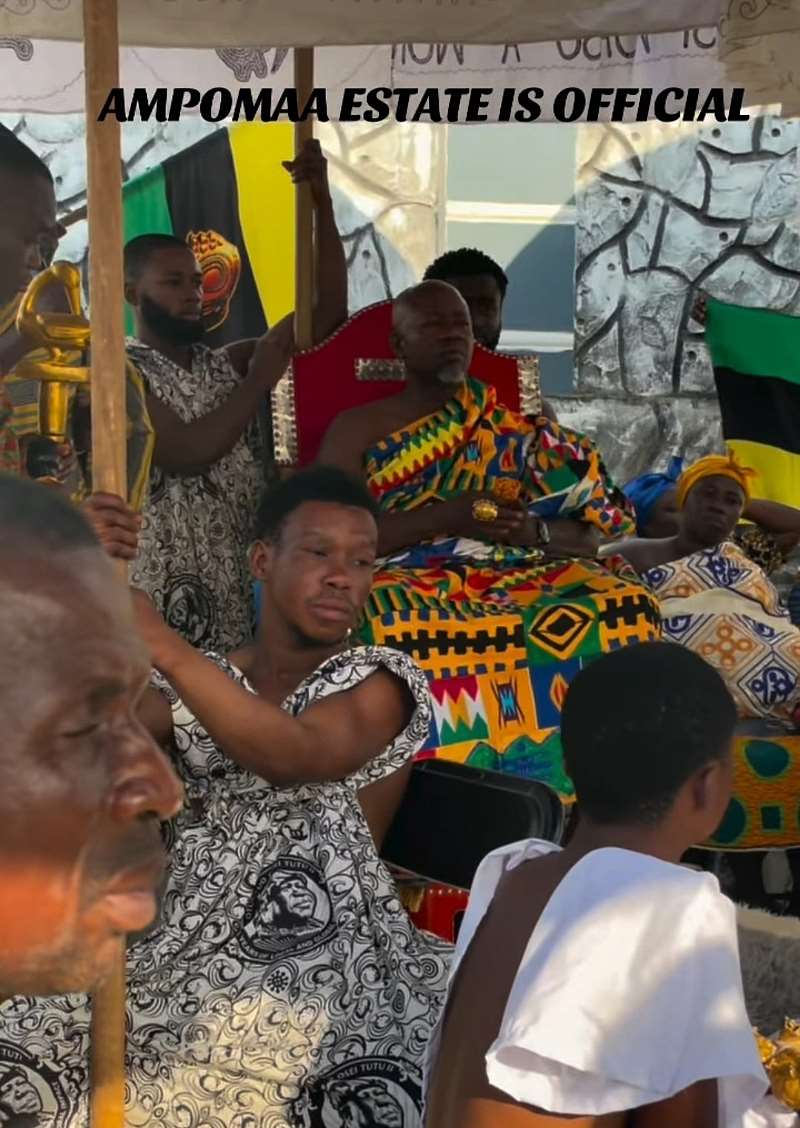
On Sunday, 15 November 2026, according to the announcement supplied for this feature, the Tepa Traditional Area gathered at the Chief's Palace for a Thanksgiving Durbar and pre-project launch in honour of its daughter, Ampomaa.
The celebration represented an opportunity for the community to recognise a young woman whose participation in Ghana's Most Beautiful had brought attention to Tepa and its cultural heritage.
The occasion was held under the leadership of the Paramount Chief of the Tepa Traditional Area, Tepahene Nana Adusei Atwenewaa Ampem.
The presentation of a brand-new vehicle and the allocation of land for a development known as Ampomaa Estate symbolised the community's appreciation and encouragement. Ampomaa gave thanks to the Tepahene for these gifts.
Such gestures represent more than material gifts. They communicate recognition, belonging and an investment in the future of a daughter whose public journey has inspired pride at home.
The proposed Ampomaa Estate could also become an opportunity to translate public recognition into a lasting development initiative.
It is a powerful reminder that the success of an individual can become a source of inspiration for an entire community.
From the GMB Stage to a Lasting Legacy
The 2026 edition of Ghana's Most Beautiful celebrated two decades of culture, grace and legacy.
Although Ampomaa finished third nationally, her performance and cultural contributions remain significant achievements.
Her journey demonstrated that a beauty queen's influence should not be measured exclusively by the position she occupies at the end of a competition.
It should also be measured by the stories she tells, the communities she represents, the conversations she inspires and the cultural knowledge she helps preserve.
For Tepa, Ampomaa's journey offers an opportunity to celebrate local identity on a national platform.
For Asanteman, it is another reminder that its history and traditions continue to find powerful voices among younger generations.
For Ghana, it is an example of how pageantry can serve a purpose beyond entertainment.
Connect with Ohemaa Ampomah Abena Asare
Supporters wishing to follow Ampomaa's activities, public appearances and community development initiatives can search for her reported official social media handle:
@ohemaa.ampomaagmb26
She can also be discovered through searches using hashtags such as:
#OhemaaAmpomah
#AmpomaaGMB2026
#TepaBarnie
#TepaBanieAdehye
#TepaTraditionalArea
#Asanteman
#AshantiCulture
#AmpomaaEstate
For those interested in learning more about Tepa's cultural heritage, the Barnie Shrine and the traditional customs of the area, local historians, traditional authorities and cultural custodians remain important sources of knowledge.
A Legacy of Beauty, Culture and Community Pride
As Tepa celebrates one of its daughters, the greater message is clear: when a community invests in its people, celebrates its heritage and encourages its younger generation, it creates a legacy that extends far beyond the spotlight.
Ampomaa may have completed her journey on the GMB stage, but the next chapter of her story is only beginning.
She carried the pride of Asanteman to the nation. Now, the pride of Tepa welcomes her home.



 Mahama proposes phased roll out of ECO to accelerate West African monetary integ...
 Mahama highlights cedi's recovery, urges investors to tap into Ghana's productiv...
 Cashew processors welcome Mahama’s policies to protect local industry
 China offers support for Ghana’s New Economy Programme through technology and in...
 Italy approves anti-semitism law despite concerns over freedom of expression
 Xi, Putin meet ahead of Trump's arrival in China for historic trilateral summit
 Haitians rally behind Bukele as Salvadoran troops battle gangs
 'NPP rented jets for $18,000 to $22,000 per hour' – Kwakye Ofosu defends new pre...
 'We need Dangote, but what about Ghanaian businesses you are destroying with par...
 Two vehicles catch fire at Ecobank-Papaye compound in Lapaz


