




Roughly one in every hundred people in India lives with epilepsy. Despite those numbers, plenty of families still treat the diagnosis as a secret. Some delay seeing a doctor for months. Others turn first to remedies that do nothing for the brain. Meanwhile, the condition itself is one of the more treatable among various neurological disorders.
What epilepsy is
The brain operates on electrical signals. All our normal functioning such as moving limbs, seeing, hearing, thinking, remembering, understanding, feeling sensations such as touch, pain, warmth and cold are subserved by different regions of the brain through electrical signals. In epilepsy, there is abnormally excessive generation of electrical discharges by a group of abnormal nerve cells which then spread across to other areas of the brain resulting in a seizure. A seizure doesn’t mean you have epilepsy. The diagnosis is usually made after two or more seizures with no known cause or after one seizure when tests show the likelihood of more seizures. It can start at any age, and is most common in infancy, adolescence and in the elderly.
Seizures come in many forms
Most of us are aware of the most dramatic seizure type which is characterized by a sudden production of sound, falling and vigorous shaking of all 4 limbs with frothing at the mouth and tongue bite. The dramatic collapse with shaking is only one type. Others look quite different:
- A blank stare lasting a few seconds, often mistaken for daydreaming in children
- A sudden jerk of one arm or leg
- Lip smacking or fumbling with clothes while unaware
- A strange smell, rising fear or a déjà vu (feeling of familiarity of the environment)) just before an episode
- Seeing spots or lines of colored lights, or darkening of vision (visual aura) or hearing sounds like hissing, ringing or buzzing noises for a few seconds or minutes (auditory aura)
- Sudden dramatic feeling of fear with screaming which may be accompanied by fast heart rate and sweating
Why waiting costs something
Every seizure carries a risk of injury, whether from a fall, a burn or an accident on the road. Frequent seizures can also affect memory, learning and mood. In a child, they may interfere with school and development. Starting treatment sooner gives the best chance of control, and a good number of people stay seizure-free for years.
How doctors find the cause
The neurologist will start by asking you about the details of what happened, preferably with the help of a witness to the event. An EEG examines for electrical activity in your brain while an MRI searches for a structural cause. Blood tests and scans are added as needed.
Treatment options
- Anti-seizure medicines control seizures in most patients. They work only if taken at the same time every day, and they should never be stopped suddenly.
- Surgery can offer a real chance of freedom from seizures when they begin in one clear area of the brain and medicines haven't worked.
- Nerve stimulation devices help reduce seizures in selected patients.
- Special medical diets are used under supervision for some children.
Everyday life with epilepsy
Most people can study, work, marry and raise children. A few habits make a difference. Sleep matters a great deal, because tiredness is a common trigger. Alcohol and recreational drugs make seizures more likely. A seizure diary helps the doctor adjust treatment. Swimming alone, working at heights and handling open flames call for extra care. Women with epilepsy can have healthy pregnancies, though planning with the doctor beforehand is important.
What to do if someone has a seizure
- Firstly, stay calm and note the time it started
- Clear away anything hard or sharp
- Gently turn the person onto their side
- Put something soft under their head
- Stay beside them until they're fully alert
Don't put anything in their mouth, don't hold them down and don't offer water until they've recovered. Call for emergency help if the seizure lasts longer than five minutes, if another one follows, if the person is hurt or pregnant, or if it's their first.
Conclusion
Epilepsy is not contagious, it is not a punishment, and it does not reflect on a person's IQ or character. On National Epilepsy Day, the best you can do is replace myths with facts and encourage someone who has had a seizure to consult a neurologist. What keeps you independent is treating early and consistently.
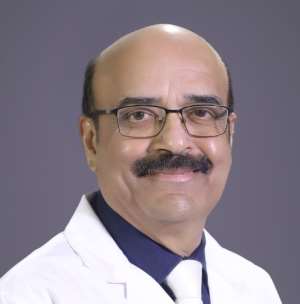
Dr. Dinesh Nayak S, Senior Consultant & Associate Director – Neurology & Epilepsy, KIMS Hospitals, Electronic City, Bengaluru.

 “She kissed me first” – Labone SHS French teacher tells court in indecent assaul...
 NDC enjoying benefits of NPP's difficult economic decisions – Fuseini Issah
 Improved economy justifies purchase of new presidential jet – Toobu
 Eight Ghanaian seafarers return home after months in Iranian detention
 No one will be allowed to mess around with a Ghanaian and get away with it – Abl...
 Exim Bank case: Wontumi offers GH¢25m to secure end to prosecution
 Gov't finds $60.68m for presidential jet despite cost-of-living concerns – Abu J...
 Mahama orders performance assessment of all 261 MMDCEs
 Fitch Solutions projects cedi will weaken to GH¢12.40 against dollar in 2027
 I think Mahama done better than the first term – Archbishop Agyinasare


