




Picture this: You are a young child or a farmer living near a lush, green river basin in rural Ghana. One day, you notice a small, painless bump under the skin of your arm or leg. It doesn't itch. It doesn't burn. It doesn't even hurt when you press it. Because you feel completely fine, you ignore it, assuming it’s just a harmless mosquito bite or a minor scratch from farm work.
Weeks later, that harmless little bump breaks open. The skin gives way from the inside out, turning into a deep, gaping ulcer with swollen, ragged edges. By the time you finally seek help, the damage has reached deep into your tissue, threatening your mobility and risking permanent physical disability.
This is the frightening reality of Buruli ulcer, one of the world's most neglected, yet devastating, tropical skin diseases.
What Exactly Is Buruli Ulcer?
Buruli ulcer is a chronic, debilitating infection caused by Mycobacterium ulcerans, a bacterium belonging to the same family of germs that cause tuberculosis and leprosy. Unlike most infections, this bacterium produces a powerful, unique toxin called mycolactone. This toxin attacks your cells and suppresses your local immune system, which is precisely why the initial swelling or nodule is completely painless. There is no fever, no sharp pain to warn you. While you go about your normal day, the bacterium quietly destroys your skin, fat tissue, and sometimes even your bones.
Left untreated, the skin collapses into a large open ulcer. Over time, healing can result in severe scarring, frozen joints, and life-changing stiffness that bends the joints and makes it hard to move.
How Do People Catch It?
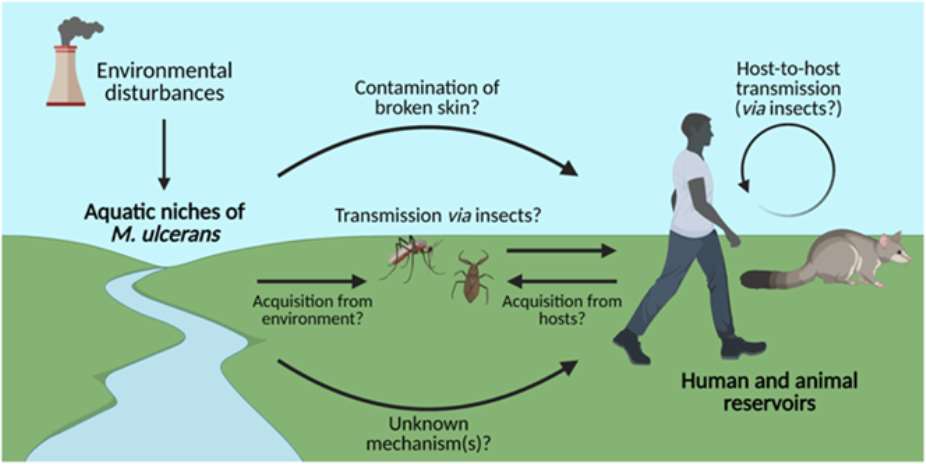
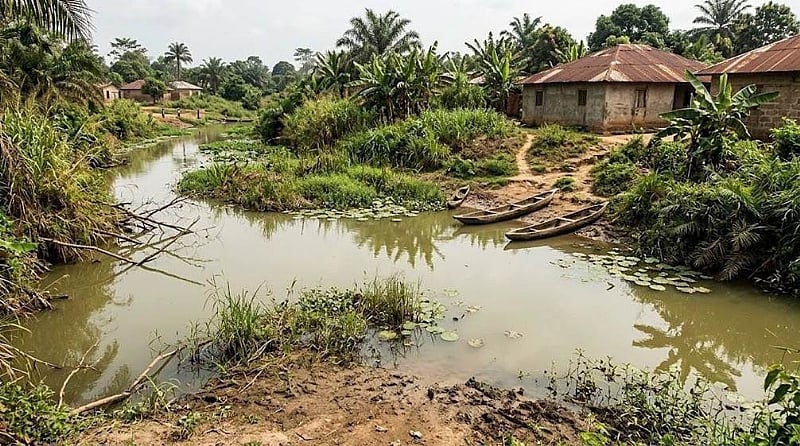
The truth is, science still does not have all the answers regarding how Buruli ulcer is transmitted. What researchers do know is that the bacterium lives naturally in the environment; particularly in slow-moving rivers, swamps, and wetlands.
People often come into contact with it through everyday activities near contaminated water bodies, such as farming, fishing, or wading through wetlands. Environmental studies suggest that minor skin punctures, scratches, or insect bites while in or near muddy water can introduce the bacteria into the body.
It is important to clear up a major local myth: Buruli ulcer is not caused by witchcraft or curses. It is a real, physical bacterial infection that targets those living close to specific aquatic ecosystems, with children under 15 making up a large share of those affected.

What You Can Do and How It Is Treated
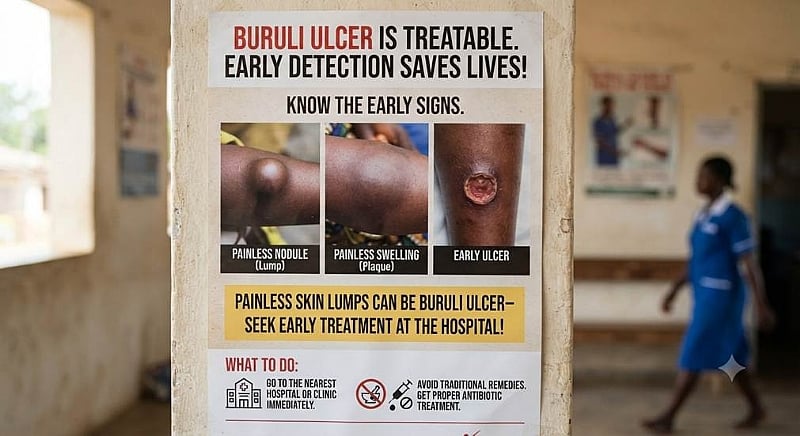
Because early symptoms cause zero pain, many people hide the condition or rely on traditional herbal leaves or harsh ointments, which only delay proper care and worsen the infection.
The good news is that Buruli ulcer is entirely treatable, especially when caught early. Drop the delays and head to the clinic: If you or your child develop an unusual, painless lump, nodule, or swelling on the skin that does not go away, do not wait for it to burst.
Go straight to the nearest health center or district hospital.
Modern medicine works: Gone are the days when extensive, disfiguring surgery was the only option. Today, Buruli ulcer is successfully treated using a specific combination of specialized antibiotics (such as rifampicin combined with clarithromycin or streptomycin) taken over several weeks.
Support wound care and physical therapy: For advanced cases, proper clinical wound management, skin grafting, and physiotherapy help restore movement and prevent permanent disability.
A Call to Action
Buruli ulcer thrives in silence, secrecy, and delayed reporting. When we treat mysterious skin lesions with fear or hide them away, we give the bacteria time to destroy lives.
It is time to break the stigma surrounding this disease in our communities. Talk about it in your homes, educate your neighbors, and encourage anyone with a persistent, painless skin sore to seek medical attention immediately.
Early detection stops the ulcer before it starts. Your vigilance today can save a child from a lifetime of disability tomorrow.

 US fears wider Middle East escalation after Houthi attack Riyadh
 Pop star Ed Sheeran calls Gaza situation “unjustifiable” amid controversy
 'We have spent 60years arguing about Nkrumah and rather less time doing what he ...
 Judge recounts attempted MoMo scam on him moments after jailing scammer
 'Systemic failure due to NACOC removal from port inspections' – Inusah Fuseini o...
 Police uncover alleged network behind Ghana Jollof videos
 NACOC says cocaine suspects were under surveillance for up to two years
 Suhuyini assures Accra-Kumasi Expressway won’t miss December 2028 deadline
 Foreign Affairs Ministry releases 200-page RTI response on GH¢49.7m South Africa...
 Chartered flights account for GH¢27.18m of South Africa evacuation cost



Comments
Impressive work