




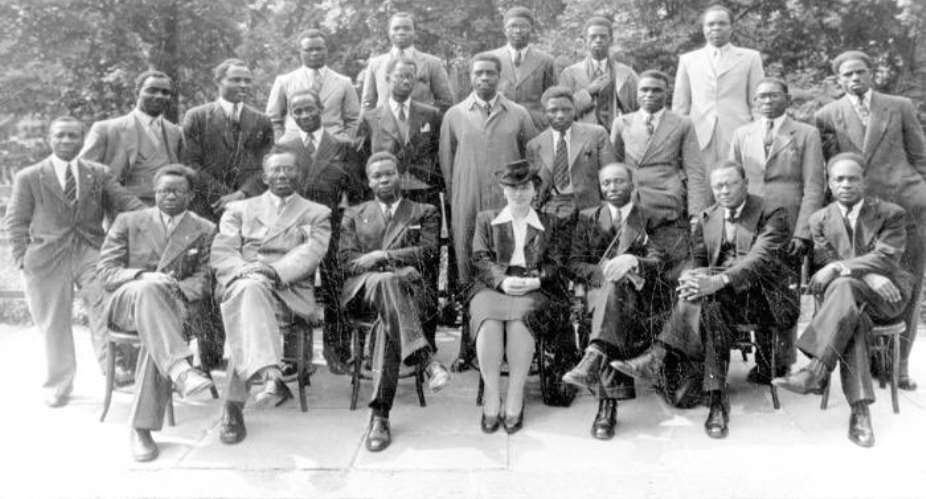
When modern academic institutions, university presentation circuits, or student projects begin exploring the philosophy of Sankofa and the history of the Pan-African Congress, the narrative is frequently filtered through a sterile, Eurocentric lens. History is often taught as if anti-colonial resistance were merely a reactive phenomenon—a neat byproduct of European political theory, metropolitan university curricula, or benevolent Western enlightenment.
However, the true heartbeat of African emancipation was never imported. It was rooted deep within indigenous systems of thought—specifically, in the moral, philosophical, and visual lexicon of Akan Adinkra symbols. To understand how modern freedom was won, we must look far beyond standard textbooks and examine the ancestral blueprints that guided our forebears through the darkest corridors of imperial oppression.
I. Introduction: The Epistemology of Sankofa
To trace the genealogy of Pan-African liberation is to engage in an act of profound cultural retrieval. At the very centre of this framework is Sankofa—symbolised by a mythical bird turning its head backward to take an egg from its back, or a stylised heart shape. Translated as "It is not taboo to return for what you forgot" or simply "Go back and fetch it," Sankofa dictates that the past is not a dead, static country, but a living repository of wisdom necessary for navigating the future.
For the visionary architects of the Pan-African movement, freedom was never merely about dismantling physical chains, securing administrative sovereignty, or drafting bureaucratic constitutions. It was an ontological reclamation—a total restoration of being, culture, and worldview. To defeat global imperialism, freedom fighters had to look backward into indigenous repositories of philosophy, governance, and ethics to construct a liberated tomorrow. The struggle was deeply spiritual and cultural, drawing upon a comprehensive symbolic system that predated European contact by centuries and survived every attempt at colonial erasure.
II. The 1945 Manchester Congress: Sounding the Akoben in the Belly of the Beast
In October 1945, within the very belly of the British Empire, a remarkable and poetic historical irony unfolded. The intellectual birth of an Africa that reclaimed its roots was birthed inside a colonial institution for education: Manchester (specifically at the historic Chorlton-on-Medlock Town Hall site, now part of Manchester Metropolitan University's campus ecosystem).
A modest municipal hall transformed overnight into the crucible of modern anti-colonisation. The Fifth Pan-African Congress marked a decisive structural shift from elite, polite, petition-based diplomacy to a militant, mass-based demand for total self-determination. It was no longer about asking colonisers for gradual reforms; it was about serving notice that the empire’s days were numbered.
Gathered in that cold, industrial English city were the giants who would shape the post-colonial world: Kwame Nkrumah, W.E.B. Du Bois, Jomo Kenyatta, and George Padmore. At this historic juncture, core Adinkra principles drove real-time political strategy and statecraft:
Akoben (The War Horn): Acting as the literal and figurative sounding of the war horn, Manchester was a categorical wake-up call signalling that patience with gradualist colonial reform had completely expired, rallying the global African community to mobilise for total resistance.
Funtunfunefu Denkyemfunefu (Siamese Crocodiles): Representing democracy and unity in diversity, this symbol reflected the complex make-up of the Congress. Though delegates hailed from the African continent, the West Indies, and the Americas—possessing diverse regional perspectives, class backgrounds, and tactical approaches—they shared a singular stomach and an indivisible destiny. Internal divisions could not be allowed to starve the collective movement.
Nyansapo (The Wisdom Knot): Navigating the machinery of the British Empire required profound ingenuity and tactical patience. Leaders had to untangle a geopolitical bind that centuries of exploitation had rendered seemingly permanent, demonstrating the exact intelligence embodied by the wisdom knot.
As Nkrumah later noted, the delegates left Manchester with a unified clarity of purpose: the complete eradication of European empires from African soil. They used the tools of the coloniser's academic and political space to dismantle the logic of the coloniser entirely.
III. Ghana as the Nsoromma: The Living Manifestation of Liberation
The theoretical groundwork laid in Manchester found its first practical state-level realisation on 6 March 1957, when the Gold Coast became independent Ghana under the leadership of Kwame Nkrumah. Ghana instantly became the living embodiment of Nsoromma (the star, child of the heavens)—the guiding light and polar star for a colonised continent still stumbling in the dark of foreign rule.
Here, drawing directly upon the mystical philosophy of the ancestral bird (Sankofa), the newly forged nation set out to use that retrieved wisdom to set all of Africa free. The Black Star placed at the centre of Ghana’s national flag was far more than a striking design choice; it was a profound declaration of supreme sovereignty and a beacon of hope, signalling to the world that the imperial fortress (Aban, representing the seat of power and structural authority) could indeed be breached, dismantled, and overthrown from within.
This era also operationalised the principle of Nkonsonkonson (the linked chain), which emphasises community, brotherhood, and human interdependence. Recognising that a localised victory was fundamentally incomplete, Nkrumah famously declared that Ghana’s independence was meaningless unless it was linked directly to the total liberation of the entire African continent. The artificial chains of colonial division had to be met with an unbreakable chain of continental solidarity. Furthermore, principles like Dwennimmen (ram's horns—representing humility combined with fierce, unyielding courage) defined the exact leadership required to stare down hostile global powers during the height of the Cold War, while Gye Nyame (the supremacy of God) anchored the spiritual resilience of a people refusing to be broken.
IV. Conclusion: The Ongoing Imperative of Ancestral Wisdom
As contemporary scholarship, journalism, and modern movements continue to interrogate the lingering, insidious structures of neo-neo-colonialism, the urgency of Sankofa remains absolute. The ideological bedrock of modern African sovereignty was never imported from foreign shores; it was forged from the unbroken philosophical continuity of indigenous African statecraft.
From the unyielding resilience of Aya (the fern, which thrives despite harsh conditions) to the strategic brilliance of Dame Dame (the board game pattern of calculation), the symbolic lexicon of our ancestors provides a comprehensive roadmap for contemporary liberation. True authority, historical depth, and impactful storytelling do not come from superficial retellings or rushed academic presentations; they come from honoring the ancestral repositories of philosophy and heritage that our forebears left in our care. By looking backward to fetch the wisdom of the past, the global African community continues to secure its future on its own terms.
Kwame Nkrumah, W.E.B. Du Bois, and the Key Figures of the Manchester Congress
Building upon this spiritual blueprint, the Congress was powered by a coalition of extraordinary intellectuals and future heads of state. At the epicentre of this movement stood Kwame Nkrumah.
1. Kwame Nkrumah: The Living Embodiment of Sankofa
Role & Legacy: A young philosophy scholar and activist from the Gold Coast (later Ghana), Nkrumah served as the Joint Secretary of the 1945 Manchester Congress, handling the gruelling logistical groundwork alongside George Padmore. He later became the first Prime Minister and President of independent Ghana.
Philosophical Alignment: Nkrumah was the literal manifestation of Sankofa and Akoben. Though he studied abroad, he deliberately turned his gaze backward, grounding his political vision in indigenous West African communalism.
Contribution: In Manchester, Nkrumah drafted the pivotal "Declaration to the Colonial Peoples of the World", demanding total self-determination. When Ghana achieved independence on 6 March 1957, he placed the Black Star (Nsoromma - child of the heavens / star) at the centre of the national flag as a beacon of hope. By declaring that "Ghana’s independence is meaningless unless it is linked up with the total liberation of the African continent," he operationalised Nkonsonkonson (Linked chain / community interdependence), proving that freedom required unbreakable continental solidarity.
2. W.E.B. Du Bois (The Elder Statesman)
Role & Legacy: Often hailed as the "Father of Pan-Africanism", the American sociologist and historian convened the first Pan-African Congress in Paris in 1919. By 1945, at age 77, he served as the elder statesman and chairperson of the Manchester Congress.
Philosophical Alignment: Du Bois represented Nyansapo (Wisdom Knot). His decades of meticulous scholarship unravelled the complex web of global racial capitalism.
Contribution: The horrors of two world wars radicalised his perspective. In Manchester, Du Bois fully embraced the militant, mass-based shift, lending immense institutional credibility and historical weight to the younger generation of activists led by Nkrumah.
3. George Padmore (The Chief Architect)
Role & Legacy: Born Malcolm Nurse in Trinidad and Tobago, George Padmore was a brilliant Marxist journalist and lifelong anti-colonial strategist who engineered the 1945 Congress behind the scenes.
Philosophical Alignment: Padmore aligned with Dame Dame (Chequered board game pattern / strategic calculation), possessing an acute, chess-like understanding of international geopolitics and labour movements.
Contribution: Operating from London, Padmore transformed the Pan-African Federation into a dynamic network, bridging the gap between West Indian intellectuals, African students, and British trade unionists to issue a direct challenge to the Crown.
4. Jomo Kenyatta (The Voice of East African Resistance)
Role & Legacy: Representing East Africa, Jomo Kenyatta was a Kenyan anthropologist, activist, and future founding father (and first President) of an independent Kenya.
Philosophical Alignment: Kenyatta embodied Dwennimmen (Ram’s horns / humility and inner strength) in the face of violent settler-colonialism.
Contribution: His presence at Manchester ensured the Congress was truly pan-continental, linking West and South African labourers with dispossessed East African farming communities whose lands had been stolen. His voice anchored the demand for land reclamation and labour rights.
IV. Summary Matrix of Key Figures
Figure Regional Origin Primary Role at Manchester / Legacy Core Philosophy / Adinkra Parallel
Kwame Nkrumah Gold Coast (Ghana) Joint Secretary / First President of Ghana Sankofa (Retrieving the Past) & Akoben (War Horn)
W.E.B. Du Bois United States Chairperson / Elder Statesman Nyansapo (Wisdom Knot / Strategic Intellect)
George Padmore Trinidad & Tobago Chief Organisational Architect Dame Dame (Strategic Calculation)
Jomo Kenyatta Kenya East African Delegate / Leader Dwennimmen (Courage and Humility)
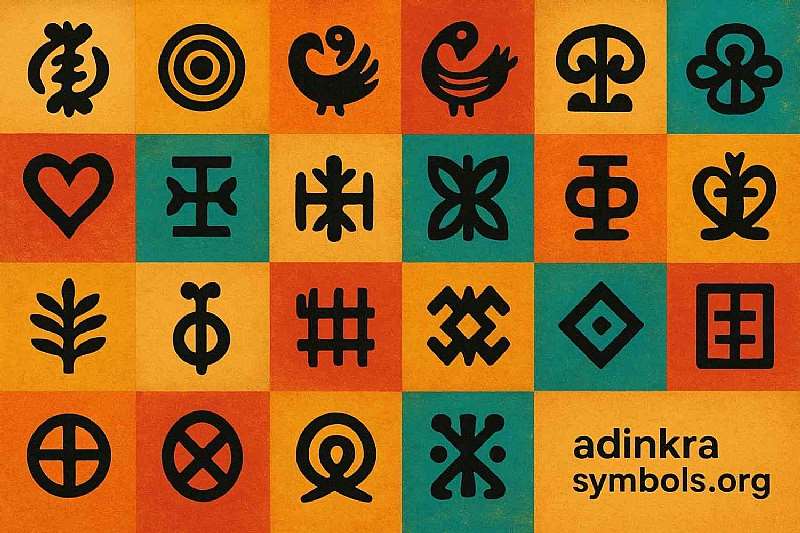
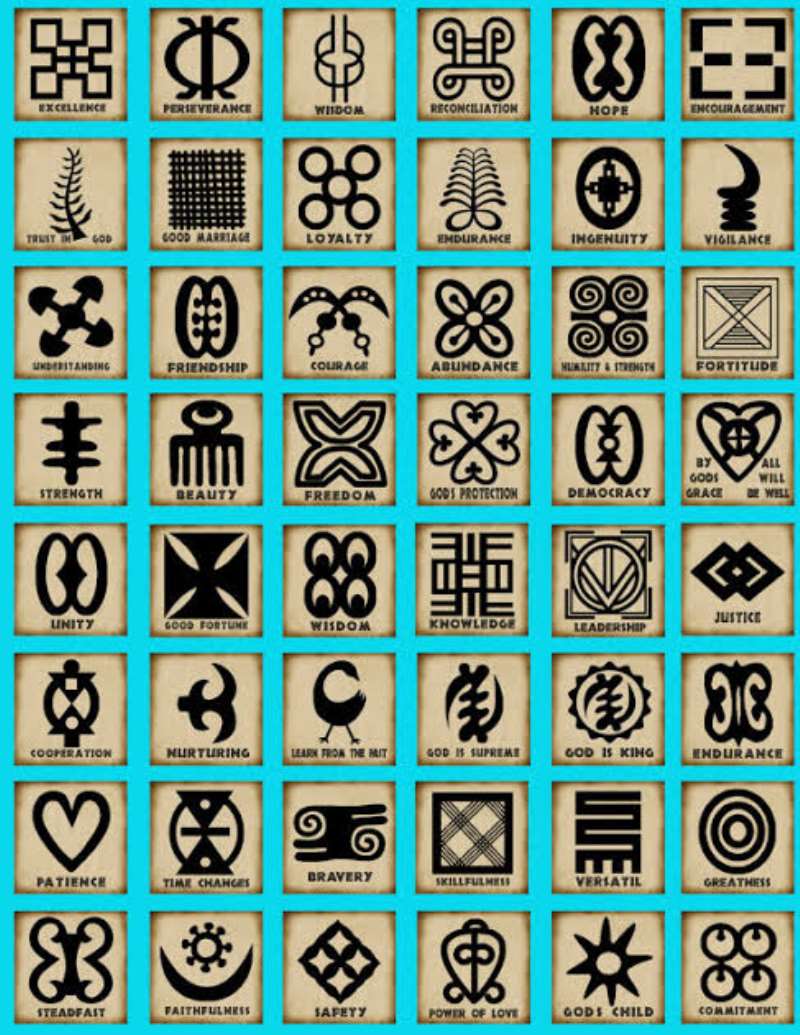
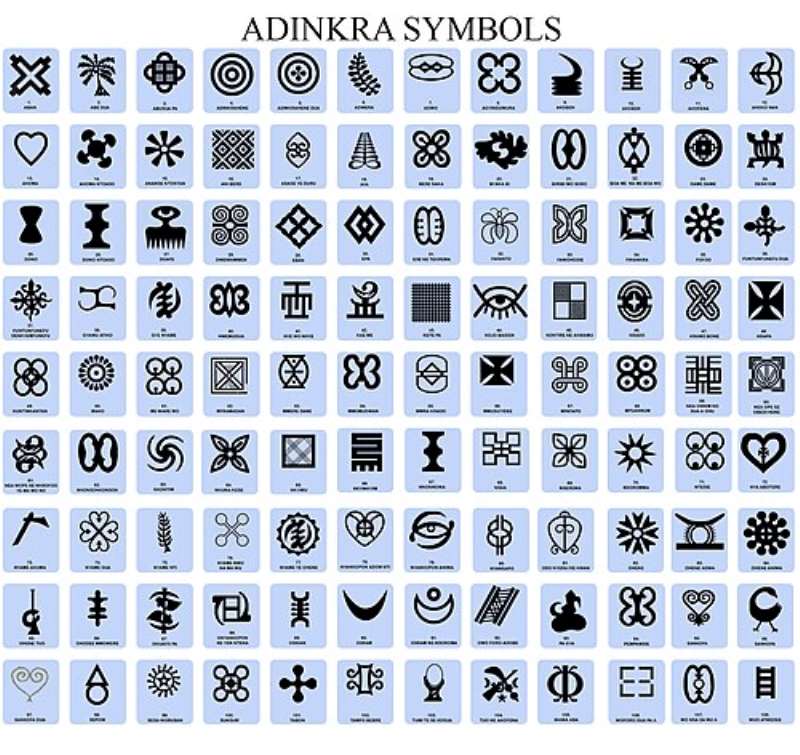
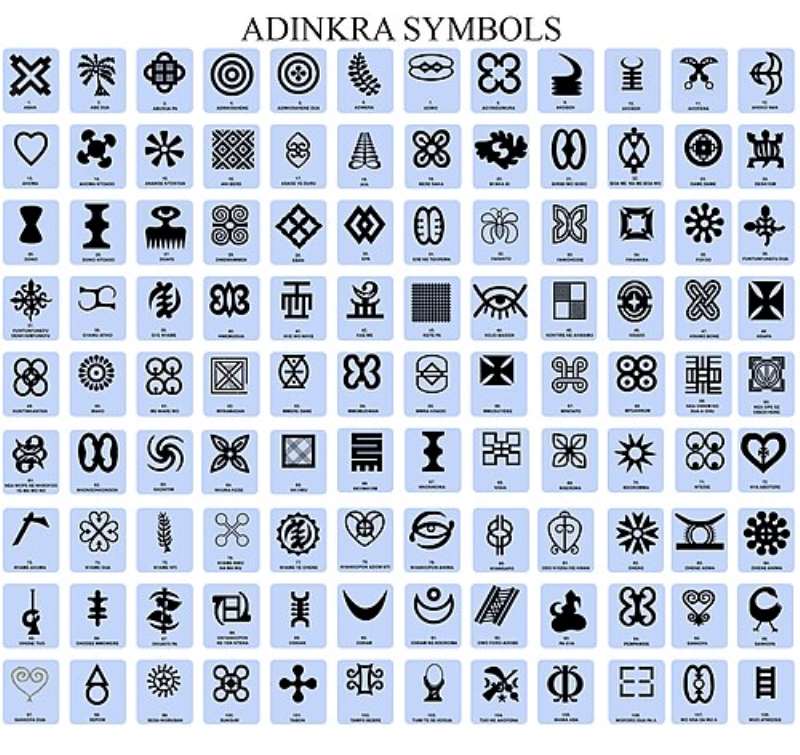
The 62 Adinkra Symbols Applied to the Pan-African Congress
While the traditional lexicon of Adinkra symbols governed centuries of Akan philosophy, ethics, and statecraft, these 62 motifs also serve as a profound interpretive framework for the anti-colonial resistance, strategy, and unity demonstrated at the Pan-African Congress.
Below is how the complete lexicon maps directly onto the mechanics, philosophy, and historical realities of the global freedom struggle:
Authority, Leadership, and Strategy
Aban (Fortress) – Represented the oppressive structural architecture of the British Empire and European colonial powers that the Congress sought to breach and dismantle from within.
Adinkrahene (King of Adinkra Symbols) – Reflected the supreme authority, charisma, and visionary leadership of the Congress elders who commanded international respect.
Adu Hwam (Powerful Aroma) – Manifested in the wide-reaching influence of the Congress resolutions, whose demands reverberated across imperial capitals worldwide.
Akoben (War Horn) – Acted as the literal and figurative call to action at Manchester, signalling that patience with gradualist reform had expired and mobilizing total resistance.
Akofena (State Swords) – Symbolized the courage, valour, and legitimate authority claimed by delegates demanding legal and political self-determination.
Dame-Dame (Board Game Pattern) – Represented the tactical calculation, chess-like geopolitical manoeuvring, and ingenuity required by organizers to outwit imperial intelligence and bureaucracy.
Epa (Handcuffs/Shackles) – Embodied the oppressive chains of chattel slavery and colonial subjugation that the Congress was assembled to break permanently.
Gyawu Atiko (Bravery Pattern) – Reflected the personal bravery, honour, and fearlessness of delegates openly challenging the crown on home soil.
Kwatakye Atiko (War Hero Hairstyle) – Embodying the spirit of frontline war heroes, this stood for the militant, uncompromising stance taken against violent colonial rule.
Ohene Aniwa (The King's Eyes) – Represented the acute vigilance, farsightedness, and royal oversight required by leaders monitoring global imperial shifts during the mid-20th century.
Okodee Mmowere (Eagle's Talons) – Symbolized the supreme power, strength, and striking force of a unified African resistance ready to seize its destiny.
Resilience, Endurance, and Fortitude
Abe Dua (Palm Tree) – Reflected the wealth, resourcefulness, and self-sufficiency demanded by the economic independence pillars of post-colonial state-building.
Aya (Fern) – Emblematic of the unyielding resilience of African people who thrived, survived, and resisted despite the harshest conditions of plantation slavery and colonial rule.
Denkyem (Crocodile) – Represented adaptability and survival, mirroring how delegates navigated hostile foreign environments, shifting alliances, and imperial surveillance.
Dwennimmen (Ram’s Horns) – Characterised the leadership style of figures like Jomo Kenyatta—pairing deep inner humility with fierce, unyielding courage against settler-colonialism.
Hye Wonhye (Imperishable) – Symbolized the unburnable, indomitable spirit of the African freedom struggle that colonial violence could never extinguish.
Kintinkantan (Puffed-up Extravagance) – Served as an ideological warning to emerging leaders against adopting the arrogant, oppressive habits of the departing European colonisers.
Mframadan (Wind-Resistant House) – Represented the structural preparedness and social security required to weather the sudden political crises of the Cold War and decolonisation.
Owo Foro Adobe (Snake on Raffia Tree) – Demanded extreme caution, diligence, and strategic patience when dealing with tricky, deceptive colonial administrations.
Pempamsie (Sew in Readiness) – Reflected the constant state of alertness, preparedness, and psychological readiness required to face the dangers of anti-colonial organizing.
Wisdom, Knowledge, and Intellect
Ananse Ntontan (Spider's Web) – Mirrored the intricate, creative, and complex global networks woven by activists across the Caribbean, Africa, Europe, and America.
Hwehwerudua (Measuring Rod) – Represented the rigorous intellectual standards and historical analysis applied by scholars like W.E.B. Du Bois to dismantle racist pseudohistory.
Mate Masie (Deep Listening) – Reflected the wisdom of listening closely to the grassroots grievances of exploited workers, farmers, and soldiers returning from World War II.
Nea Onnim No Sua A, Ohu (Lifelong Education) – Underpinned the educational and political consciousness-raising campaigns that prepared the masses for self-governance.
Nkyimu (Crossed Divisions/Precision) – Represented the meticulous planning and precision required to coordinate an international anti-colonial congress under imperial watch.
Nyansapo (Wisdom Knot) – Embodied the profound strategic intellect used by Du Bois and others to untangle the seemingly permanent bind of global racial capitalism.
Unity, Community, and Interdependence
Akoma Ntoaso (Linked Hearts) – Symbolized the deep emotional and political alignment required to bridge divides between disparate regional liberation groups.
Bese Saka (Sack of Cola Nuts) – Represented the shared economic abundance and collective pooling of resources necessary to sustain the Pan-African movement.
Bi Nka Bi (No Biting/Mutual Forbearance) – Stood for the absolute necessity of peace and internal harmony among diverse ethnic and national groups within the anti-colonial coalition.
Boa Me Na Me Mmoa Wo (Interdependence) – Captured the reciprocal solidarity between African Americans, West Indians, and continental Africans fighting a common global enemy.
Fihankra (Compound Enclosure) – Represented the safe spaces, secret meeting locations, and protective community networks that sheltered anti-colonial radicals in Europe.
Funtunfunefu Denkyemfunefu (Siamese Crocodiles) – Reflected the core political reality of the Congress: diverse delegates from different nations sharing a single stomach and an indivisible destiny.
Nkonsonkonson (Linked Chain) – Operationalised by Kwame Nkrumah’s doctrine that local independence meant nothing without total continental solidarity.
Nsaa (Authentic Cloth) – Symbolized the authentic, home-grown nature of African liberation philosophy, rejecting fake, imported Eurocentric models of freedom.
Ese Ne Tekrema (Teeth and Tongue) – Highlighted the vital, peaceful coexistence and cooperation required between different factions and classes within the liberation movement.
Spirituality, Faith, and Destiny
Asase Ye Duru (Mother Earth) – Anchored the fundamental demand for the reclamation of stolen indigenous land from white settlers and colonial extraction.
Gye Nyame (Supremacy of God) – Provided the ultimate spiritual anchor, assuring activists that imperial powers were not omnipotent and would eventually fall.
Mmusuyidee (Removal of Ill Luck) – Represented the psychological and cultural exorcism of colonial inferiority complexes, cleansing society of self-doubt.
Nsoromma (Star / Child of the Heavens) – Manifested directly as the Black Star on Ghana's flag, serving as a celestial guide and beacon of hope for a dark, colonised continent.
Onyankopon Adom Nti (Divine Grace) – Instilled unshakeable hope and faith among freedom fighters facing overwhelming military and economic odds.
Osiadan Nyame (God the Builder) – Inspired the architectural and structural task of building new, sovereign African nations from the ashes of colonial ruins.
Owuo Atwedee (Ladder of Death) – Honoured the martyrs and fallen forebears whose supreme sacrifice paved the path for modern independence.
Sankofa (Go Back and Fetch It) – Served as the foundational epistemology of the entire movement: retrieving ancestral philosophy to construct a liberated future.
Human Relationships, Character, and Daily Life
Akokonanan (Hen's Leg) – Represented the nurturing, protective, and disciplined guidance veteran leaders provided to younger activists like Nkrumah.
Akoma (The Heart) – Reflected the profound love for the motherland and patience required to endure decades of underground political exile.
Aprukuma (Medicinal Seed) – Symbolised the urgent need for structural healing and public health reform in post-colonial societies ravaged by resource extraction.
Dono (Double-Sided Drum) – Embodying the rhythm of communication, this represented the radical press, pamphlets, and manifestos broadcast across the diaspora.
Duafe (Wooden Comb) – Stood for the reclamation of African aesthetics, cultural pride, and the conscious rejection of forced European assimilation.
Eban (Fence) – Represented the domestic security, sovereignty, and protected borders that independent African states fought to establish against foreign intervention.
Fofo (Yellow Flower) – Acted as a warning against the dangers of internal jealousy, sabotage, and tribalism sown by colonial divide-and-rule tactics.
Kete Pa (Good Bed) – Symbolized the aspiration for a dignified, comfortable, and prosperous standard of living for the post-colonial African working class.
Kokuromotie (The Thumb) – Emphasised the critical role of key leadership figures and mass trade unions working in tandem to push the engine of history forward.
Kyemfere (Broken Pot/Potsherd) – Reflected the historical wisdom and resilience gained through centuries of trauma, slavery, and colonial exploitation.
Mako Nyinaa Mpatu Mmere (Different Ripening Times) – Acknowledged that different African nations would achieve independence at different paces, requiring patience and mutual support.
Me Ware Wo (Commitment/Loyalty) – Represented the unbreakable marital-like vow of loyalty activists pledged to the liberation cause until death.
Mmere Dane (Times Change) – Underpinned the historical optimism of the Congress: the absolute certainty that the sun was setting on the British Empire.
Mpatapo (Pacification Knot) – Represented the diplomatic conflict-resolution mechanisms used to mediate regional disputes among emerging post-colonial states.
Mpuanum (Priestly Tufts of Hair) – Honoured the ideological devotion, integrity, and absolute dedication of the intellectual vanguard behind the Congress.
Nea Ope Se Obedi Hene (Service and Humility) – Reminded leaders that true statecraft meant serving the masses rather than inheriting the privileges of the coloniser.
Odo Nnyew Fie Kwan (Love Never Loses Its Way) – Symbolized the deep, unbreakable bond tying the global diaspora back to the African continent regardless of forced separation.
Osram Ne Nsoromma (Moon and Star) – Represented the balanced, harmonious partnership of diverse social classes, genders, and regions united under the Pan-African banner.
Nkyinkyim (Zigzag Path) – Mirrored the winding, unpredictable, and dynamic path of historical progress, requiring total versatility to navigate political roadblocks.

 NDC gov't ‘scored own goals’ with new SHS placement policy — Dr. Bempah Tandoh
 Five-year presidency will give governments more time to deliver — Kofi Bentil
 Improved invigilation is exposing true performance of Ghanaian students — Mahama...
 There's no policy to introduce Arabic, Chinese in all public schools — Mahama
 Anthropic boss calls for AI slowdown, Altman and Musk agree
 Saudi Arabia closes East-West pipeline as Houthis tighten grip on Red Sea
 Uganda buries 'youngest' king amid succession row
 'If we were wrong, we must first apologise to NPP' – Mustapha Gbande on National...
 Han SHS to get boarding status as Mahama inspects GETFund projects in Upper West
 Late herbal doctor’s wife granted GH¢100,000 bail amid poisoning, arson claims


