




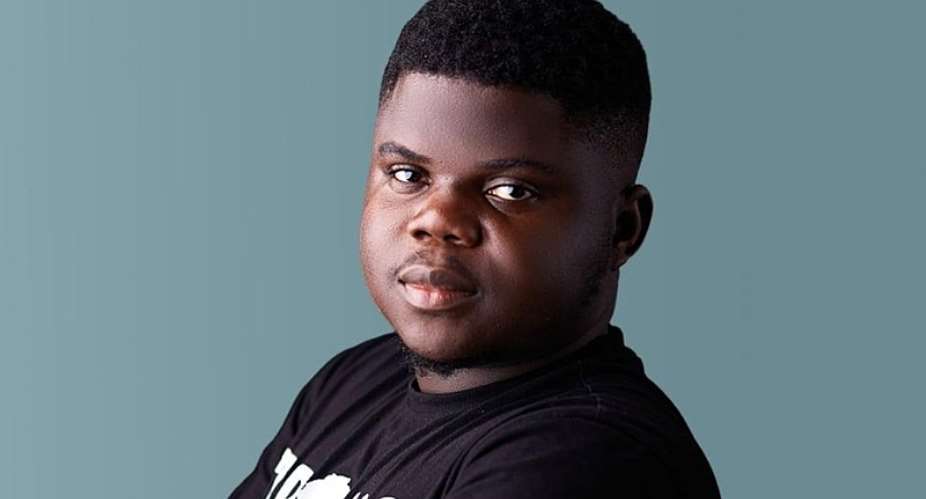
Before Uganda turns a visit by a prominent African content creator into a controversy, perhaps the more important question is this: Have Ugandans taken the time to understand who Wode Maya is, what he represents, and why he came to their country?
The reported incident involving Ghanaian YouTuber and digital content creator Wode Maya in Kampala raises questions that deserve more than social media arguments. It raises questions about African hospitality, national pride, freedom of expression, cultural diplomacy and, above all, how African countries treat people who dedicate their platforms to telling Africa's stories to the world.
But before drawing conclusions about the Ugandans involved, it is important to establish what actually happened, why Wode Maya was in Uganda, and whether the reported hostility represents the position of ordinary Ugandans or the actions of particular individuals.
The Man Behind the Name: Who Is Wode Maya?
Wode Maya is not simply another Ghanaian YouTuber who travels around Africa with a camera. His real name is Berthold Kobby Winkler Ackon, and he has built an international reputation through digital storytelling, tourism promotion, and the documentation of African entrepreneurship, culture, and development.
As of December 9, 2025, he was reportedly born on March 3, 1990, in Ahekofi, a community in the Kofikrom area of Ghana's Western Region. Based on that reported birth date, he would be 36 years old as of November 2026. However, some online biographies provide conflicting information, including sources that cite 1994. Therefore, the 1990 date should be treated as reported rather than independently confirmed.
His background is particularly interesting because his professional journey did not begin with social media. He studied Aeronautical Engineering at Shenyang Aerospace University in China and developed an interest in documenting African experiences while living abroad.
His early videos were partly motivated by a desire to challenge negative stereotypes about Africans, particularly those he encountered in China. Over time, his work expanded beyond personal experiences to cover African businesses, tourism destinations, infrastructure, entrepreneurs, and communities.
He has interviewed influential African personalities, business leaders, and political figures. His platform has also become a vehicle for promoting African destinations to international audiences.
Who Are His Parents?
Wode Maya has spoken publicly about the influence of his parents on his career.
His father initially opposed his decision to pursue YouTube content creation instead of following a conventional professional career. However, his mother encouraged him to continue and even persuaded his father to reconsider his position.
His father later advised him to use his knowledge of Chinese language and culture to produce content that would contribute something meaningful to society.
Wode Maya has also disclosed that his father died in 2017. His mother played a significant role in supporting his eventual decision to pursue content creation professionally.
A January 2026 NewsFile GH profile also recounts his difficult childhood, including his mother's efforts to support the family by selling kenkey.
This background matters because Wode Maya's journey represents more than the success of an individual content creator. It demonstrates how a young African professional can use technology, storytelling, and digital media to influence how the world sees the continent.
Why Did He Go to Uganda in the First Place?
This is where the story becomes particularly interesting.
There are two separate Uganda episodes that should not be confused.
The first was approximately seven years ago, when Wode Maya says he travelled to Uganda to produce videos for his YouTube platform. According to his November 19, 2026, social media account, his vlogging activities were allegedly interpreted as an attempt to spy on President Yoweri Museveni.
He says this resulted in his deportation and that his flight ticket was torn into pieces. He recalled being so distressed that he cried because he did not even have enough money to purchase another ticket.
Wode Maya said President Museveni later invited him after watching a speech he delivered at the 2026 Africa-Russia Summit, which was broadcast on RT.
On November 12, 2026, Wode Maya and a group of African content creators met President Museveni at State House in Entebbe.
The delegation included:
- Wode Maya (Ghana)
- Daniel Ndambuki, popularly known as Churchill (Kenya)
- Salim Kikeke (Tanzania)
- Masiliso Mutumba (Zambia)
- Christine Kia (Uganda)
Museveni encouraged the creators to use their platforms to showcase Africa's resources, opportunities, culture, and potential.
Wode Maya also visited several Ugandan development and infrastructure projects, including the 20,000-capacity Hoima City Stadium, expected to be among the venues for AFCON 2027.
In other words, his reported November visit was not simply a casual holiday. It involved an invitation from Uganda's president, engagement with fellow African storytellers, and an opportunity to explore Uganda's development and tourism potential.
Why Are Some Ugandans Now Unhappy With Wode Maya?
The latest controversy requires closer examination.
Reports published on November 20, 2026, indicate that some Ugandans questioned the involvement of a Ghanaian influencer in promoting their country's tourism when Uganda has its own content creators.
Names raised in the debate include:
- Teng Teng
- Mickyseems2funny
- Tally Vian
- Angella Summer Namubiru
- Yash Poppy
- Mat Tee
The argument is that Uganda should prioritise its own creative industry, create opportunities for local influencers, and promote the Buy Uganda, Build Uganda (BUBU) agenda.
Some critics questioned why an outsider should be considered for a tourism promotion role when Ugandan creators could perform the same work.
However, there is an important clarification. Wode Maya reportedly responded that he had not been engaged by the Uganda Tourism Board to promote the country.
He nevertheless expressed interest in exploring possible business opportunities connected to Uganda, particularly around AFCON 2027.
This means the claim that Ugandans are physically chasing Wode Maya out of Kampala is not established by the available reporting. What is established is a public backlash and a disagreement over the role of foreign influencers in promoting Uganda.
And that distinction matters.
Ugandans have every right to debate how their tourism industry should be marketed. Their local creators deserve opportunities. But does supporting local talent require treating an African visitor as an unwelcome outsider?
The Bigger Question: What Exactly Is Uganda Trying to Protect?
There is nothing wrong with Ugandans wanting their country to benefit from its own creative industry. In fact, their argument deserves serious consideration.
Local content creators understand their communities, tourism attractions, languages, and cultural identities. They should not be overlooked when opportunities arise to market Uganda internationally.
But there is a difference between demanding opportunities for local creators and creating an atmosphere that makes an African visitor feel unwelcome.
Why should Wode Maya's involvement automatically become a national controversy simply because he comes from Ghana?
Is Uganda suggesting that an African content creator must possess Ugandan citizenship before he can tell the world about Uganda's beautiful landscapes, businesses, infrastructure, culture, and tourism potential?
If a Ghanaian filmmaker travels to Kenya to document the country's development, should Kenyans demand that he leave because they have their own filmmakers?
If a Nigerian entrepreneur invests in Ghana, should Ghanaians automatically reject the investment because local entrepreneurs need support?
And if Uganda wants international recognition for its tourism industry, should it not welcome credible African storytellers who can introduce the country to audiences beyond its borders?
These are questions worth considering.
Have Ugandans Forgotten What Wode Maya Represents?
Perhaps the most interesting dimension of this controversy is the identity of the person at its centre.
Wode Maya has spent years building an audience around a particular mission: changing the narrative about Africa.
At a time when international media coverage of Africa frequently concentrates on wars, poverty, political instability, corruption, and economic difficulties, he has used his platform to showcase another side of the continent.
He has documented African entrepreneurs, manufacturing companies, tourist destinations, investment opportunities, infrastructure projects, and ordinary people doing extraordinary things.
His work is not limited to Ghana. He has travelled across the continent, giving visibility to countries and communities that international audiences might otherwise never encounter.
His platform has grown to nearly two million subscribers, according to MyJoyOnline's December 2025 profile.
So one must ask:
- Have some of those criticising Wode Maya taken time to understand the influence he commands beyond Ghana's borders?
- Do they appreciate that a single video from him can introduce Ugandan tourism attractions to millions of potential viewers?
- Have they considered the potential economic benefits when international audiences discover Uganda through his storytelling?
- Is it possible to turn a potential opportunity for international exposure into an unnecessary argument about nationality?
- And perhaps the most uncomfortable question: Is Uganda interested in attracting international attention only when the people providing that attention are Ugandan?
The Irony of His Return: From Alleged Deportation to Presidential Invitation
There is something almost unbelievable about Wode Maya's Uganda experience.
According to his own account, seven years ago he was deported following suspicions that his filming activities amounted to spying on President Museveni.
He says he was humiliated, his flight ticket was destroyed, and he left the country in tears.
Seven years later, the same country's president invited him to State House.
Think about that.
A man who says he once left Uganda under distress has now returned as a guest of the country's highest political office.
What changed?
Did Uganda finally understand the power of digital storytelling? Did the government recognise that content creators can be valuable partners in promoting national development? Or did President Museveni simply see an opportunity that others had failed to recognise?
Whatever the explanation, this reversal should encourage a wider conversation about how African governments and societies perceive independent digital storytellers.
It also raises an important question: If the Ugandan president himself can recognise the value of Wode Maya's work, why should ordinary public debate reduce the man's presence to a question of nationality?
Buy Uganda, Build Uganda: Is There Room for African Collaboration?
The argument over prioritising Ugandan content creators should not be dismissed.
Uganda's BUBU agenda promotes domestic production and the use of locally produced goods and services. Supporting Ugandan entrepreneurs and creative professionals is a legitimate national development objective.
But African economic integration also requires countries to recognise opportunities beyond their borders.
The African Continental Free Trade Area (AfCFTA), which began trading in 2021, reflects a broader ambition to increase economic cooperation and trade among African countries.
Tourism, media, creative industries, and digital entrepreneurship can contribute to that integration.
A Ugandan content creator promoting Uganda to a domestic audience and a Ghanaian content creator introducing Uganda to an international audience can serve complementary purposes.
Why must one opportunity necessarily cancel out the other?
Why not engage Ugandan creators alongside Wode Maya?
Why not develop a collaborative African storytelling project involving creators from Ghana, Uganda, Kenya, Tanzania, Nigeria, and other countries?
Would that not give Uganda greater international visibility while creating opportunities for its own young people?
The question should not be whether Uganda must choose between Ugandans and Wode Maya. The question should be how Uganda can benefit from both.
Some Hard Questions Uganda Must Answer
The controversy offers an opportunity for Ugandans, their tourism authorities, and African digital communities to reflect on the kind of continental relationship they want to build.
Here are some questions that deserve serious answers:
If Wode Maya has built an international platform that promotes African tourism, why should his Ghanaian nationality become a disadvantage when discussing Uganda's visibility?
Have those criticising him examined his previous work and the international audience he has cultivated?
If President Museveni considered him worthy of an invitation to State House, why should his presence automatically be treated as an affront to Uganda's creative industry?
Why not create opportunities for Ugandan content creators to work alongside him instead of turning the matter into a competition between nationalities?
Does Uganda want African countries to cooperate in promoting one another, or does it believe that every country must operate within its own national boundaries even when opportunities for collaboration arise?
If a Ugandan creator receives an invitation to Ghana to promote Ghanaian tourism, would Ghanaians be justified in demanding that the individual leave because Ghanaian influencers deserve the opportunity?
Most importantly, what message does this controversy send to other African professionals, investors, journalists, filmmakers, and entrepreneurs who wish to travel across the continent and contribute to its development?
These questions are not an attack on Uganda. They are an invitation to think beyond narrow national interests.
Africa Cannot Preach Unity While Practising Exclusion
Africa's development challenges are not confined to individual countries. The continent faces shared challenges involving unemployment, infrastructure deficits, limited industrialisation, weak regional trade, and inadequate international representation.
Addressing these challenges requires collaboration, knowledge exchange, and the ability to recognise opportunities wherever they emerge.
Wode Maya's work, irrespective of whether one agrees with every aspect of his content, represents one way African people are taking ownership of their stories.
That does not mean Uganda must hand over its tourism industry to a Ghanaian influencer. Neither does it mean local Ugandan creators should be sidelined.
It means there should be room for cooperation.
Uganda has a beautiful story to tell. Its people, natural resources, tourism attractions, entrepreneurs, and development projects deserve international attention.
But if an influential African storyteller is willing to help bring that story to a wider audience, should the first response be suspicion and hostility, or a conversation about how both sides can benefit?
And for those who believe Wode Maya should leave Kampala, what exactly has he done wrong beyond being Ghanaian and having an international audience?
Is Africa's problem that its people are not telling their stories, or that when someone from another African country offers to help tell those stories, we begin arguing over who has the right to hold the microphone?
Perhaps the greatest lesson from this controversy is that African unity cannot survive on speeches, summit declarations, and political slogans alone. It must be demonstrated through how Africans treat one another.
Wode Maya's journey from an alleged deportation to a presidential invitation is already a remarkable story. Whether Uganda turns the present disagreement into an opportunity for collaboration or allows it to deepen divisions is another matter.
After all, if Africans cannot welcome one another's talents, ideas, and contributions, how can they convincingly ask the rest of the world to take African unity seriously?
By Patrick Belebang Yagsori
📞 0240292413
📧 [email protected]

 'Prove I took even fuel coupon!' - NDC Vice Chair aspirant Woyome dares critics
 Asankragua market fire destroys 'ashawo' joint
 Ghana's nuclear power transition to create jobs, support industrial growth – Dr ...
 Dr. Bryan Acheampong faults 2027 budget for lacking job creation target
 'We needs fairness, not partisan favouritism’ – Dr. Kojo Asante criticises Vande...
 Roads Minister urges city authorities to regulate cattle movement on highways
 MPs’ absence from chamber partly due to committee work, constituency duties – Ak...
 Failure to punish absentee MPs fuels parliamentary absenteeism – Dr. Osae Kwapon...
 November 23: Cedi sells at GHS12.60 on forex market, GHS11.81 on BoG interbank
 Ghana Air Force receives second Airbus ACH160 helicopter under four-aircraft dea...


