




The recent attempt to withdraw fuel subsidies in Nigeria and many other African countries remains a big challenge to our governments. Its acceptance as a good and most viable policy alternative remains the belief of some academic and economic experts and not the ordinary citizen, this, notwithstanding the evidence of its huge positive impact on development to the ordinary citizen.
Perhaps, the most truthful and sincere economic argument put forward by the no subsidy thinkers are that, African governments can no longer sustain the subsidies, and that though the subsidies are meant to cushion the very poor in society, it rather ends up in the pocket of the rich and middle men in the downstream petroleum industry.
However, labour and pressure groups have succeeded in countering this view and making it look monstrous. They have made the withdrawal of the fuel subsidy the most anti-poor and anti-ordinary person policy. The pro-subsidy policy thinkers seem to dominate public opinion.
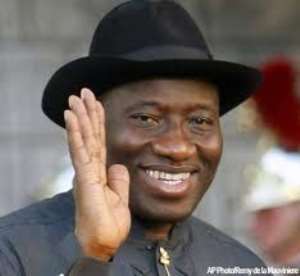
Subsequently, the withdrawal of fuel subsidies in Nigeria by the country's President, Goodluck Jonathan attracted a lot of academic and grass root debates across Nigeria and the African continent especially West Africa. The policy was greeted with massive public agitations that shook Africa's most populous country, to its foundations.
Some Nigerians living outside the country in solidarity with their compatriots also joined in the agitations. Nigerians living in Ghana for instance decided to embark on demonstration against the policy. So massive was the public anger that many have expressed concern that it could plunge the country into some sort of political crisis.
A situation that the Jonathan government avoided and temporary back off the new policy.
As the debate rages on, it is important at this time to dispassionately look at the reasons and economic benefits Nigeria will derive from the new policy.
According to Federal Government of Nigeria's proposals, the country could save 1.134 trillion naira annually if the subsidies are removed. A saving, the Nigeria government says, could be reinvested into very essential public infrastructures like better improvement in electricity generation, Hospitals, Schools and Job creation.
One laudable project earmarked by the subsidy reinvestment policy is the construction of three oil refineries in Bayelsa, Kogi and Lagos states to refine a total of 400,000 barrels a day. These will provide tens of thousands of jobs for Nigerians.
Apart from these, the Nigerian Government will also re-invest the subsidies into urban Mass transit scheme, irrigation and agriculture projects, road infrastructure and educational projects which will inure to the benefit of the poor than the subsidies which benefit the rich in society more.
One argument that can be made against the reinvestment of the fuel subsidies is the possible diversion of those funds by corrupt politicians, but one can say that President Goodluck Jonathan has demonstrated enough faith that he is a reformist and anti corruption crusader. We can only plead with Nigerians to give him the benefit of the doubt.
He has already demonstrated that he is prepared to listen to the people in his governance. The prompt suspension of the policy to allow for enough public debate is ample evidence that he is a listening president.
The government assurance to introduce a number of interventions to mitigate the impact of the discontinuation of the subsidy regime on the poor should be welcomed news to all Nigerians including those in Ghana. For now it seems President Goodluck Jonathan has gotten it right and need the support of all Nigerians including those in Ghana.
He is determined to make the lives of Nigerians better. We are looking forward to seeing a Nigeria with 24 hour power supply, modern school structures and academic facilities, modern health facilities, mechanized agriculture and improved security with resources made available to equip the Police and intelligence organizations.
However Nigerians must keep a watchful eye on the government to ensure that the fuel subsidy reinvestment policy meets their needs.
 Bank of Ghana mops up GH¢17.24bn in major liquidity tightening move
 NDC marks 34 years of political influence and democratic governance
 UTAG threatens nationwide strike over delayed book and research allowances
 808 presidential staffers on payroll as Parliament receives annual staffing repo...
 24-Hour Economy cannot succeed without data — GSS tells Parliament
 Captain Smart declares bid for NDC parliamentary slot in Gomoa West
 24-Hour Economy will promote prostitution – NPP Chairman warns government
 US, Iran exchange airstrikes after Trump accuses Tehran of downing army helicopt...
 BoG's $260 million building: It was Ato Forson who first proposed 'sell-and-leas...
 'We have to do soul-searching' — Mahama orders nationwide flood assessment



Comments
I just don't like it