




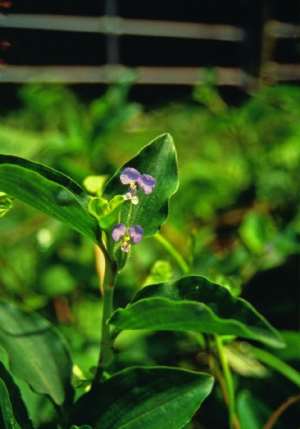
KUMASI, Ghana--Known as "climbing dayflower" and African tulip tree, two Ghanian herbs from the Ashanti tribe's traditional medicine chest have proven useful in wound healing due to antioxidant and antimicrobial actions, according to a recent study published in the Aug. 14 issue of Phytotherapy Research (Epub ahead of print, 2006).
Researchers from Kwame University of Science and Technology tested methanol extracts of Commelina diffusa (dayflower) and Spathodea campanulata bark, finding both showed selective antifungal activity against Trichophyton species--which commonly causes hair, skin and nail infections. The extracts also reduced the peroxidation of bovine brain extract and exhibited antioxidant activity, protecting MRC-5 cells (secondary human lung fibroblasts) from hydrogen peroxide-induced oxidant injury. However, the extracts displayed no inhibition of NF-kappaB (even at higher concentrations).
The scientists concluded the antioxidant and antimicrobial activities suggest that the use of these plants in wound healing may be based on the antioxidant and antiseptic effects of its constituents.
www.naturalproductsinsider.com

 ‘We have turned the tide’ – Ato Forson says Ghana is ready to take off
 Sammy Gyamfi refuses to file defence, hides behind technicalities — Lawyers
 Osahen Afenyo-Markin vows to pursue case against Sammy Gyamfi despite high court...
 Let us all be mentors to our younger generation - Mahama
 Court stops Osenase homecoming over security concerns
 Supreme Court dismisses Solomon Asamoah's bid to stop Sky Train trial
 GRA denies imposing new 20% tax on Netflix, Google and Amazon subscriptions
 Police arrest 16 suspects, seize 209 rounds of ammunition at Gbane mining site
 ‘Mahama has lost his moral high ground’ – Dr Zaato on Affi Agbenyo’s EC appointm...
 Cassava, hemp could offer alternatives to plastics – Zanetor challenges scientis...


