




More than 12,000 women in Ghana are currently living with obstetric fistula, a severe childbirth-related injury, while health facilities across the country continue to face shortages of equipment needed to repair the condition.
Available data shows that although about 7,000 new cases are recorded annually, only around 200 women receive treatment each year, leaving a large number of affected women without care.
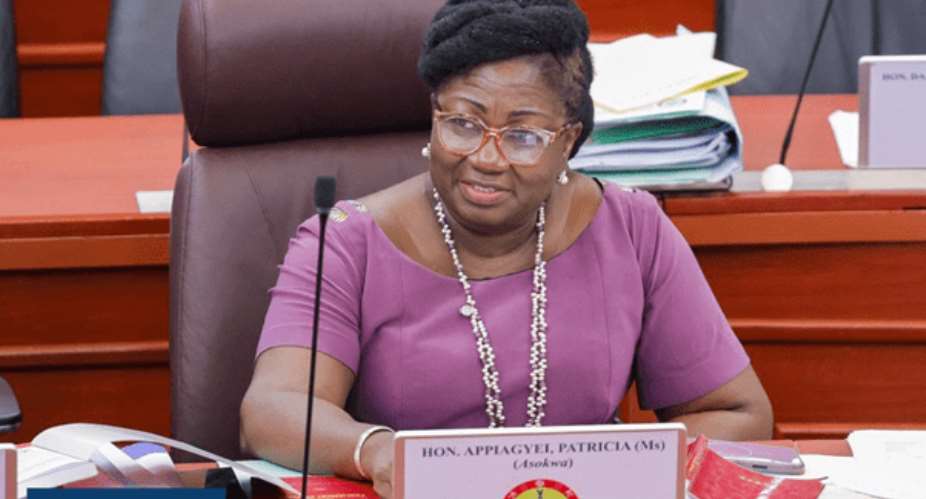
The worrying gap in treatment has triggered calls for urgent action, with Deputy Minority Leader Patricia Appiagyei urging government and health authorities to prioritise support for victims.
Speaking on the floor of Parliament on Tuesday, she drew attention to the financial burden facing many affected women, particularly those from low-income and rural communities.
She noted that fistula repair surgery costs about GHS 5,000, a figure many patients are unable to afford, forcing them to live with the condition in silence.
The Asokwa MP also warned that women in areas where Female Genital Mutilation is practiced face a higher risk of developing fistula due to complications during childbirth.
She therefore called on the National Health Insurance Authority and the Mahama Care initiative to include fistula treatment in their coverage packages to ease the financial burden on patients.
Madam Appiagyei further stressed the need for Parliament to lead nationwide awareness campaigns on the causes, prevention, and treatment of obstetric fistula.
She noted that stigma remains a major challenge, as many women suffering from the condition are socially isolated due to associated incontinence and shame.
She urged stakeholders in the health sector to work closely with civil society organisations to provide both medical treatment and psychosocial support for affected women.
She also called for increased investment in training specialist surgeons and equipping hospitals with the necessary tools, describing current capacity as insufficient to meet demand.
Madam Appiagyei concluded by reaffirming her commitment to advocating policies that safeguard women’s health, stressing that no woman should endure lifelong suffering as a result of childbirth.
 BoG's $260 million building: It was Ato Forson who first proposed 'sell-and-leas...
 'We have to do soul-searching' — Mahama orders nationwide flood assessment
 Court orders woman beater to pay GHS5,000 compensation to midwife at Tema Commun...
 Over 12,000 women living with obstetric fistula in Ghana — Asokwa MP
 Mahama secures 1,840 farm equipment deal from Belarus
 Titus Glover slams Mahama’s flood report directive, calls it “waste of energy an...
 We have increased posting of doctors from 12 to 100 to underserved regions in 20...
 'You had the effrontery to call me struggling lawyer, you won't come back to pow...
 Belarus manufacturers to storm Ghana next week after President's visit
 Government to offer tax incentives for factories located outside Accra


