




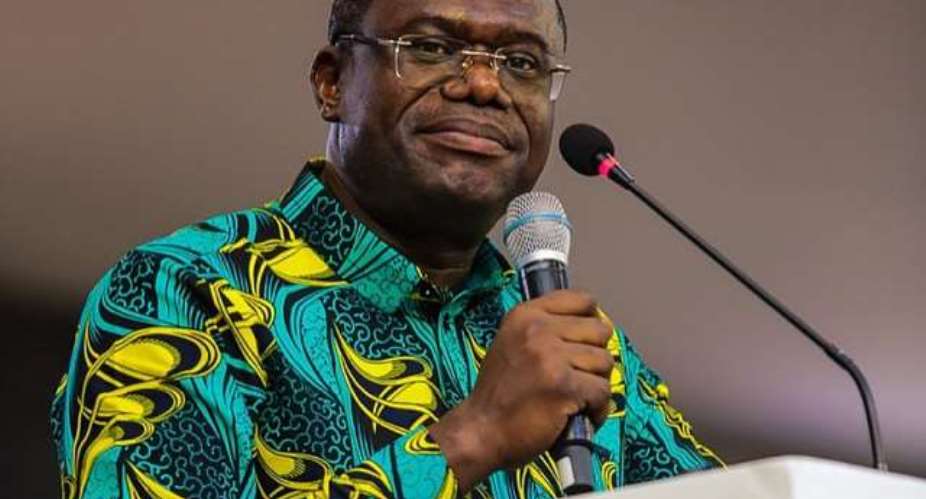
Dr Joseph Siaw Agyepong, President of the Environmental Service Providers Association (ESPA), on Monday sounded the alarm about Ghana's and Africa’s overreliance on landfills, arguing that the model is “outdated” and economically unsustainable.
Dr. Siaw Agyepong, who is the Executive Chairman of the Jospong Group of Companies, emphasized landfills are dead ends, stressing that “landfilling represents a lost economic opportunity. Ghana’s waste crisis can be turned into an industrial opportunity—if the country is willing to abandon the outdated landfill model.
He recounted that all 17 landfills constructed across the country with support from international partners reached capacity within a decade or less and emphasized a paradigm shift to prioritize collection, transfer stations, recycling, and composting, with landfills as a last resort.
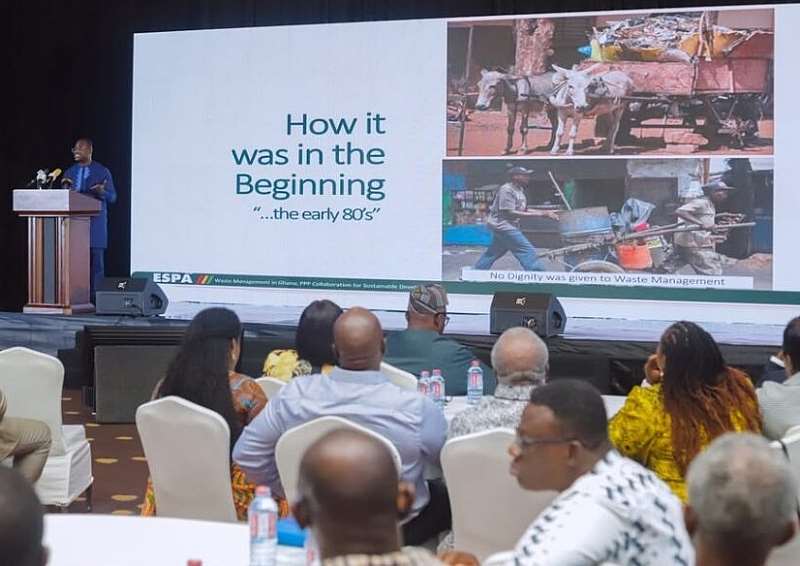
The ESPA President said this during a high-level stakeholder dialogue on landfill and waste management in the Greater Accra Metropolitan Area, which was on the theme “strengthening final disposal site operations and sustainable solid waste management infrastructure in the Greater Accra Region.”
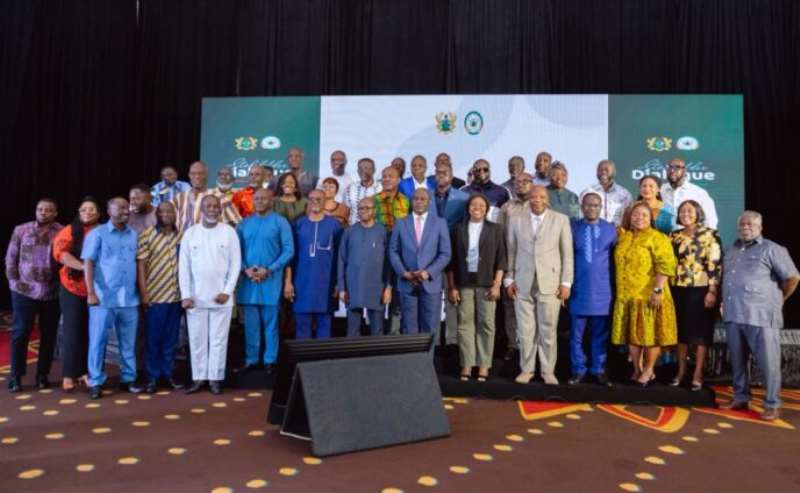
It was organized by the Minister for Local Government, Chieftaincy and Religious Affairs in collaboration with the Jospong Group of Companies, and ESPA was attended by 26 of the Metropolitan, Municipal and District Chief Executives (MMDCEs) in the region.
Others included government officials, ESPA members, chief executives, and representatives of waste management companies; waste landfills, Borla taxis, and tricycle associations; officials of the environmental protection authority and the Ministry of Finance; NGOs, volunteer groups, and community-based organizations; sanitation experts; private sector operators; and stakeholders in the sector.
Dr. Siaw Agyepong stressed that although international benchmarks recommend household waste collection fees between $15 and $20 in lower-middle-income countries, operators in Ghana struggle with low recovery rates.
He emphasizes that despite these challenges, “Ghana’s growing reputation as a leader in environmental sanitation technology across Africa is beginning to yield positive results.
“The country now boasts more than 50 waste treatment and composting facilities. Ghanaian firms are currently providing expertise in several African countries, including Kenya and Ethiopia,” he stated.
Dr. Siaw Agyepong said the Jospong Group’s success is mainly due to investments in local expertise. "The Jospong Group has invested heavily in human capacity development. We have technical experts and hundreds of highly qualified professionals.”
He also pointed out that persistent funding gaps threaten efforts to maintain cleanliness and environmental safety within GAMA, urging urgent investment in modern treatment facilities and dedicated funding for waste management companies.
Jospong’s footprint now extends beyond Ghana to 29 other African countries. The group’s strategy aligns with growing government pressure to move away from open dumping toward integrated, technology-driven solutions.
Dr. Siaw Agyepong reiterated the need to transition from landfill-dependent waste disposal systems to sustainable, engineered waste treatment infrastructure.
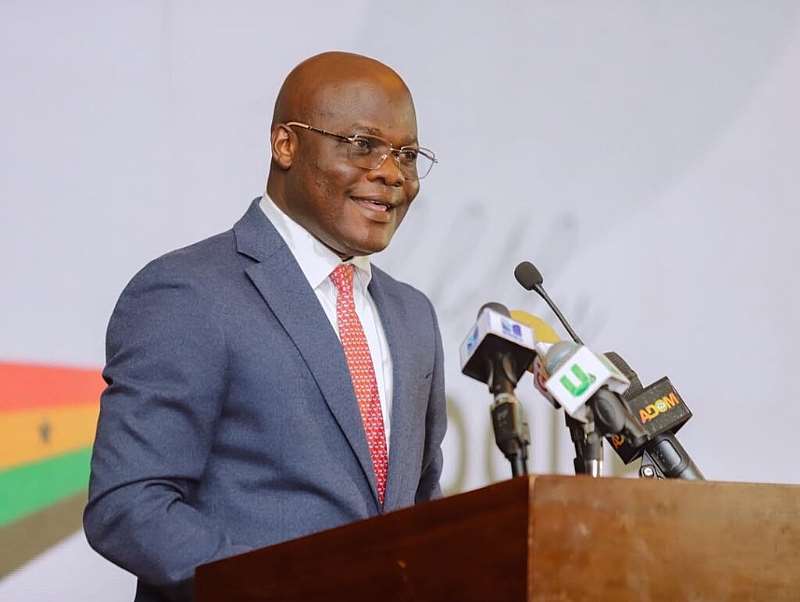
Mr. Ahmed Ibrahim (MP), and Minister for Local Government, Chieftaincy and Religious Affairs in a keynote address, said the Greater Accra Metro Area remains the economic heartbeat of Ghana.
“Every day, millions of people live, work, trade, and move within this rapidly growing metropolitan area. Alongside this growth comes an increasing volume of municipal solid waste that requires collection, transportation, treatment, and final disposal.
“Suffice to say that waste generation rate continues to increase significantly as urban populations expand, economic activities increase, and their eating habits and choices change,” he stated.
He revealed that 2026 data estimates from the ministry show the 25 MMAs in the Greater Accra Metropolitan Area presently generate around 4,400 tonnes of municipal solid waste per day, which is equivalent to 1.6 million tonnes per annum, and the collection rate for these areas is around 80 percent.
“It is estimated that GAMA MMAs will generate 5,186 tonnes per day, equivalent to 1.9 million tonnes in 2036,” he stated.
Mr. Ibrahim noted that while substantial progress has been made over the years, particularly in waste collection coverage, recycling initiatives, and general environmental sanitation infrastructure investments, it is evident that the challenge of final disposal and treatment remains one of the most critical but weakest links in the entire solid waste management chain.
“The reality is that waste collection can only be effective when there are reliable, accessible, and environmentally sound disposal and treatment facilities available at the end of the chain.
“A city cannot be truly clean if waste is successfully collected from homes and markets but encounters challenges at the point of final disposal. In many respects, the final disposal site is the foundation upon which the entire waste management system rests,” the Minister stated.



 How 70-year-old building was finally demolished over fear of collapse in Osu
 Minority MPs thank Afenyo-Markin for capacity-building programme in Canada
 Ghana has everything needed to prosper yet graduates remain unemployed — Dr Step...
 June 9: Cedi sells at GHS12.50 on forex market, GHS11.85 on BoG interbank
 Stephen Amoah advocates mixed market economy to tackle rising cost of living in ...
 Publish a clear and detailed BoG recapitalisation plan — NPP urges gov't
 Completely abandon idea of selling BoG headquarters — NPP urges gov't
 French President Macron to attend Ghana's Next Steps Conference on Reparatory Ju...
 Nyinahin Catholic SHS teacher seen fighting female student in viral video arrest...
 Trump gets a cold reception at NBA Finals game as Spurs beat Knicks


