




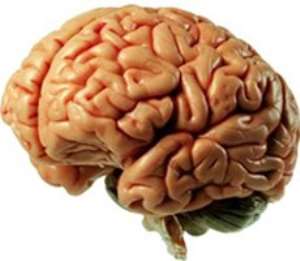
A new brain implant can predict when a person suffering with epilepsy is about to have a seizure.
The device monitors the brain's electrical activity and alerts patients when they are most likely to experience an epileptic fit.
Epilepsy is a neurological condition that causes repeated seizures, also known as fits.
It affects over 500,000 Britons and although symptoms can develop at any age, it usually begins in childhood.
Seizures are the most common symptom of epilepsy, although many people can have a seizure during their lifetime without developing epilepsy.
The cells in the brain, known as neurones, communicate with each other using electrical impulses. During a seizure, the electrical impulses are disrupted, which can cause the brain and body to behave strangely.
Severity of the seizures can differ from person to person. Some people simply experience a 'trance-like' state for a few seconds or minutes, while others lose consciousness and have convulsions
While medication cannot cure epilepsy, it is often used to control seizures. These medicines are known as anti-epileptic drugs. In around 70 per cent of cases, seizures are successfully controlled.
One of the main dangers of epilepsy is the unpredictable nature of the condition. Sufferers can have seizures at any time of place.
The new study, published Lancet Neurology, was carried out on 15 people in three hospitals in Australia.
Using the new brain implant, signals were collected from the surface of the brain and sent via wires to another implant in the chest. This then transmitted the data to a device which worked out the probability of a seizure.
The success rate was mixed. For the first four months, the participants' brain was monitored so the system could learn the pattern of their brainwaves before a seizure.
Only eight patients were able to progress to the stage where the device was fully activated and they were constantly informed of their chance of a seizure.
The implant was between 56 per cent and 100 per cent effective in those patients.
Prof Mark Cook, from the University of Melbourne, told the BBC: 'Being able to predict the events with many minutes or hours lead time could have significant impact on independence.
'This could change the way the illness is treated. For instance, our current strategy of giving medications continuously because of the unpredictable occurrence of events could alter the types of medications being developed.
The charity Epilepsy Action cautioned that it was still early days, but said it could be an 'exciting development'.
 Beijing condemns US move to blacklist Chinese companies
 Trump gets a cold reception at NBA Finals game as Spurs beat Knicks
 One dead, fire officer hospitalised after bee attack at Quarry Site in Sokode Gb...
 Israel and Iran step back from further strikes after renewed clashes
 Patients stranded as doctors, nurses refuse to see new patients over KATH CEO su...
 Avenor Rural Bank CEO’s house destroyed by fire
 Here are areas to be affected by ECG's planned maintenance on Tuesday
 Family of civil engineer killed in alleged military shooting demands justice
 SHS teacher allegedly beats female student over unpaid hostel fees
 Blow to EU defence cooperation as France, Germany abandon joint fighter jet prog...


