




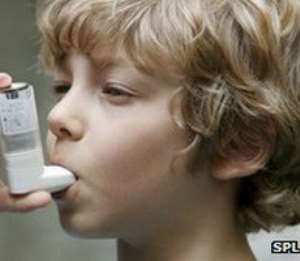
Viral infections in newborns "cripple" part of the immune system and increase the risk of asthma later in life, US researchers studying mice have said.
They showed infections by respiratory syncytial virus (RSV) stripped immune cells of their ability to calm down inflammation in the lung's airways.
They say their findings, published in the journal Nature Medicine, will help develop ways of preventing asthma.
The charity Asthma UK said the study had "really exciting" potential.
When something irritates the airways of a patient with asthma, the airways become tightened, inflamed and produce too much sticky mucus. All of this can make breathing difficult.
Previous studies have shown a link between repeated lung infections with RSV and developing asthma later in life.
One Swedish study showed showed 39% of infants taken to hospital with RSV had asthma when they were 18. However, only 9% of infants who were not ill developed asthma.
How the virus might be able to do this was, however, unknown. Now a team of researchers at the University of Pittsburgh School of Medicine believe they have an explanation.
Their experiments on mice showed the virus impaired the ability of a specific part of the immune system, called regulatory T cells, to calm inflammation.
Inflammation is an important part of dealing with an infection. However, for asthma patients, chemicals in air which come from ordinary things like dust mites, pets and mould can trigger an inappropriate inflammatory response.
Infection with RSV led to a "complete loss of suppressive function" of the regulatory T cells, after which the mice developed asthma-like symptoms," researchers Prof Anuradha Ray and Prof Prabir Ray told the BBC.
Early window
They said there might be a window in early life when the cells were vulnerable to being "crippled".
They think the finding could help scientists devise treatments which prevent some people developing asthma.
"We feel that both prophylactic and therapeutic approaches can be developed.
"This is especially desirable in infants who have a strong family history of asthma."
Malayka Rahman, from Asthma UK, said: "This research provides vital information on how viruses interact with our immune cells and why this might lead to an increased risk of asthma.
"What's really exciting is the potential of these findings to translate into new treatments for asthma in the future."
 One dead, fire officer hospitalised after bee attack at Quarry Site in Sokode Gb...
 Israel and Iran step back from further strikes after renewed clashes
 Patients stranded as doctors, nurses refuse to see new patients over KATH CEO su...
 Avenor Rural Bank CEO’s house destroyed by fire
 Three arrested in Winneba for illegal mining near GWL water lines
 Two pupils of Alice Elite Academy laid to rest after fatal school bus crash
 Here are areas to be affected by ECG's planned maintenance on Tuesday
 Family of civil engineer killed in alleged military shooting demands justice
 SHS teacher allegedly beats female student over unpaid hostel fees
 Blow to EU defence cooperation as France, Germany abandon joint fighter jet prog...


