




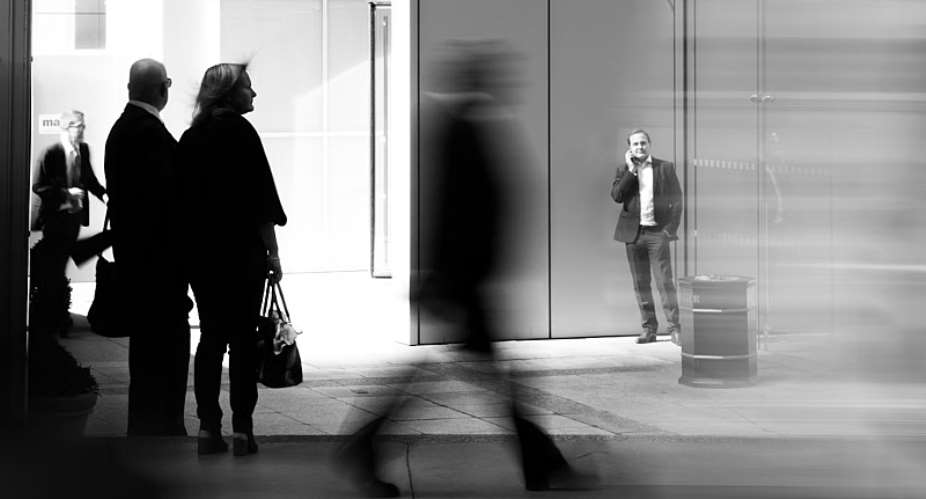
There is a strange silence that lives among us not the absence of sound, but the absence of response.
We see problems every day. In our communities, in our workplaces, in our institutions, even in our own homes. We see unfairness that is obvious. We witness inefficiency that costs lives. We experience systems that fail the very people they were meant to serve. And yet, somehow, life continues as if nothing is wrong.
So the question is not whether we see the problems. The real question is: why do we stay silent about them?
Not because we are blind. Not because we are ignorant. But because silence has become a survival strategy.
The Comfort of “It’s Not My Business”
One of the most dangerous phrases in modern society is: “It doesn’t concern me.”
We use it to distance ourselves from pain that is visible. A struggling neighbor. A broken system. A corruption scandal everyone whispers about but no one confronts. We convince ourselves that staying out of it keeps us safe.
But silence has a cost. And that cost is often paid by someone else first until it eventually comes back for all of us.
Fear Has Become a Social Currency
Many people are not silent because they don’t care. They are silent because they have learned what happens when they speak.
Rejection. Isolation. Retaliation. Loss of opportunity. Being labeled as “difficult” or “troublesome.”
So we begin to calculate our words instead of expressing our truth. We start editing our conscience to fit what is “acceptable.” Over time, silence stops being a choice and becomes a habit.
But here is the uncomfortable question nobody wants to ask:
What kind of society are we building when truth becomes dangerous to speak?
We Have Normalized Dysfunction
Perhaps the most painful reality is not that problems exist, but that they have become normal.
When broken systems operate long enough, people stop calling them broken. When delays, corruption, or injustice persist, they start becoming “how things are done.”
And once dysfunction becomes normal, resistance begins to feel like rebellion even when it is simply honesty.
At what point did we decide that what is wrong should be tolerated simply because it is familiar?
The Fear of Standing Alone
Another reason we stay silent is deeply human: we fear being alone.
Speaking up often means stepping out of the crowd. And standing alone can feel like standing exposed.
So we wait for others to speak first. Others wait for us. And in that cycle of waiting, nothing changes.
But here is the question that should unsettle us:
How many people are waiting for a courage that everyone believes someone else should have?
The Most Dangerous Silence Is the One We Justify
We don’t always call it silence. We call it “being realistic.” We call it “choosing peace.” We call it “avoiding trouble.”
But sometimes what we call peace is simply postponed truth. And postponed truth eventually becomes unresolved pain.
A society does not collapse only because of the problems it faces. It collapses when too many people agree to ignore them.
So What Are We Really Afraid Of?
If we strip everything away, the question becomes deeply personal.
Are we afraid of losing comfort?
Are we afraid of losing approval?
Are we afraid that speaking will change nothing anyway?
Or worse are we afraid it will?
Because deep down, many people suspect that speaking up might actually work. And that would demand responsibility from all of us.
The Turning Point
Change does not always begin with institutions or leaders. Sometimes it begins with uncomfortable conversations in ordinary places between friends, colleagues, families, neighbors.
The real transformation begins when silence becomes more uncomfortable than truth.
When people decide that ignoring problems is no longer acceptable.
When we stop asking, “Why doesn’t someone do something?”
and start asking, “Why not me?”
A Final Reflection
History rarely remembers those who stayed silent. It remembers those who spoke when it was inconvenient, risky, or unpopular.
So perhaps the most important question is not why we are silent.
It is this:
What will it take for us to finally stop being comfortable with what we already know is wrong?
Because until that question is answered honestly, we will continue to live in a world where everyone sees the problem… but very few ever say a word.
By:
Patrick Belebang Yagsori
+233240292413
[email protected]
 KATH doctors suspend strike after Otumfuo’s intervention
 Mahama is losing control of his government — NPP Communicator
 Health Minister’s suspension of KATH CEO technically right — Prof Beyuo
 Korle Bu Teaching Hospital conducts Ebola emergency simulation to strengthen fro...
 Abandoned newborn baby found near gutter at Agona Swedru Woaraba
 Reparations Justice Forum questions imported schnapps for African libation ritua...
 AG to meet US counterparts on pending extradition requests — Kwakye Ofosu
 JHS graduate, another drown in Twifo-Atti-Morkwa rivers during heavy rainfall
 27-year-old jailed 4years for stealing church musical equipment at Hohoe
 Call 'Rambo-style' Mintah Akandoh to order — Minority tells Mahama


