




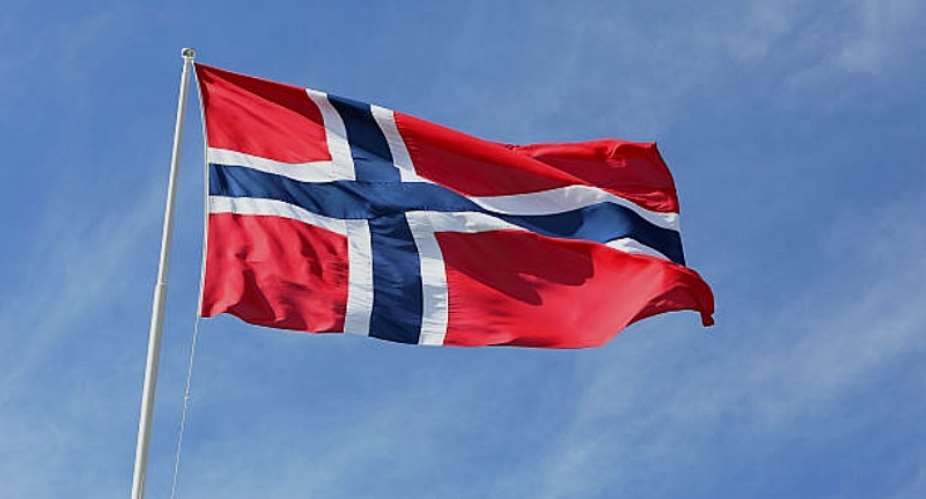
At first glance, Norway is often presented as a “climate success story.” It invests heavily in renewable energy, promotes electric vehicles at scale, and frequently positions itself as a global advocate for environmental diplomacy. Yet beneath this green reputation lies a powerful reality: Norway remains one of the world’s largest exporters of oil and natural gas per capita.
This contradiction is not accidental it is structural.
Norway’s wealth, social welfare system, and global financial influence are deeply tied to petroleum extraction from the North Sea. The very prosperity that funds its climate initiatives is largely built on fossil fuels.
So the central paradox becomes unavoidable:
Can a country lead the global fight against climate change while simultaneously profiting from its acceleration?
Historical Background: How Oil Rewired Norway
Before the late 1960s, Norway was a modest Northern European economy dependent on fishing, shipping, and small-scale industry. Everything changed after major offshore oil discoveries in the North Sea.
Key turning points include:
1969: Discovery of the Ekofisk oil field, marking Norway’s entry into the oil age
1970s–1980s: Rapid expansion of offshore drilling and state regulation of petroleum resources
1990s: Creation of the Government Pension Fund Global (commonly known as the “oil fund”) to invest surplus oil revenues
2000s present: Expansion into one of the world’s largest sovereign wealth funds, exceeding a trillion dollars in value
The state deliberately designed a model to avoid the “resource curse” a phenomenon where resource-rich countries suffer corruption, inequality, and economic instability. Norway’s solution was disciplined governance, transparency, and long-term saving.
But this success created a new moral dilemma: the system works so well that it depends on continued extraction.
Climate Leadership: Genuine Progress or Strategic Positioning?
Norway is widely praised for:
High adoption of electric vehicles (among the highest globally)
Heavy investment in hydropower
Carbon taxation policies dating back to the early 1990s
Active participation in international climate negotiations
Funding for forest conservation and climate finance abroad
On paper, this is climate leadership.
But critics argue that this leadership is partly financed by the very industry driving global emissions. Norway exports oil and gas emissions it does not count within its domestic carbon accounting.
This raises a difficult ethical question:
> Is it meaningful to reduce emissions at home while exporting fossil fuels abroad at scale?
The Hidden Questions Nobody Wants to Ask
Beyond public praise and criticism lies a deeper set of uncomfortable questions:
1. Can a climate leader be a major fossil fuel exporter?
If global emissions matter, then exported oil still contributes to global warming. Should responsibility be national or global?
2. Is Norway’s green transition funded by carbon wealth?
To what extent is renewable investment dependent on continued oil revenue?
3. What happens when oil demand declines?
Norway’s sovereign wealth fund is enormous but it is still built on a declining global commodity. Is the country preparing for a post-oil identity fast enough?
4. Is moral leadership being outsourced?
Norway funds climate projects in developing countries. But is this a form of “carbon outsourcing” rather than domestic transformation?
5. Are citizens fully aware of the contradiction?
Many citizens support climate action but also benefit directly or indirectly from oil wealth. This creates a quiet tension in public consciousness.
What Citizens Are Saying (and Feeling)
Public opinion in Norway is not uniform.
Many citizens support maintaining oil production for economic stability and jobs
Younger generations are increasingly climate-conscious and skeptical of continued fossil expansion
Environmental groups demand a faster phase-out of oil drilling
Others argue that Norway has a responsibility to use its wealth to stabilize global energy transitions
This creates a divided national identity:
One Norway sees itself as a guardian of global climate responsibility.
Another sees itself as a responsible steward of its natural resources and economic security.
Both narratives coexist but they are increasingly in tension.
The Global Double Standard Debate
Norway is often praised internationally, but rarely subjected to the same criticism directed at other oil-producing countries. This raises another uncomfortable question:
Is Norway judged by its intentions rather than its impact?
If a developing country expanded oil production to fund social welfare, it would likely face severe criticism. Norway, however, is often treated as a model case.
This suggests that global climate politics may be influenced not only by emissions, but also by reputation, diplomacy, and geopolitical trust.
The Future: Can the Model Sustain Itself?
Norway faces a narrowing window of strategic decisions:
Gradual phase-out of oil and gas extraction
Rapid diversification of the economy beyond hydrocarbons
Increased investment in green technologies and export industries
Or continued extraction while demand still exists globally
Each path carries risks:
Too fast a transition risks economic disruption
Too slow a transition risks moral and environmental criticism
Maintaining the status quo risks long-term global irrelevance as energy shifts
Conclusion: A Success Story With an Unresolved Ending
Norway represents one of the clearest examples of modern global contradiction: a country attempting to lead the climate transition while still deeply embedded in the fossil fuel economy.
Its success is real but so is its paradox.
Perhaps the most important question is not whether Norway is a climate leader or an oil exporter, but whether the world is willing to accept that these two identities may no longer be compatible.
And ultimately:
Can true climate leadership exist without economic sacrifice or is it always built on hidden trade-offs?
By:
Patrick Belebang Yagsori
+233240292413
[email protected]
 KATH doctors suspend strike after Otumfuo’s intervention
 Mahama is losing control of his government — NPP Communicator
 Health Minister’s suspension of KATH CEO technically right — Prof Beyuo
 Korle Bu Teaching Hospital conducts Ebola emergency simulation to strengthen fro...
 Abandoned newborn baby found near gutter at Agona Swedru Woaraba
 Reparations Justice Forum questions imported schnapps for African libation ritua...
 AG to meet US counterparts on pending extradition requests — Kwakye Ofosu
 JHS graduate, another drown in Twifo-Atti-Morkwa rivers during heavy rainfall
 27-year-old jailed 4years for stealing church musical equipment at Hohoe
 Call 'Rambo-style' Mintah Akandoh to order — Minority tells Mahama


