




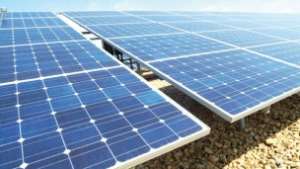
Three-hundred-and-thirty communities nationwide have, since 2010, benefited from the government's programme to install solar backup systems in rural areas to improve community life, the Minister of Energy, Mr Emmanuel Armah-Kofi Buah has said.
He said in all,1,286 solar systems had been installed in communities which were not connected to the national grid and added that the beneficiary towns and villages had seen improved delivery in essential services such as health and education.
In the northern part of Ghana, for example, he said, evidence of fatalities resulting from malaria, Cerebro Spinal Meningitis (CSM) and snake bites had reduced significantly as a result of the use of solar vaccine refrigerators to store vaccines in the communities and their timely dispensing by the health staff.
The minister was speaking at a meeting in Accra between officials of the ministry and Elecnor Foundation, a Spanish energy company which specialises in the installation of renewable energy systems, in Accra.
The Elecnor Group was led by its President, Fernando Azaola.
The solar streetlight project, Mr Buah said, had helped to improve navigation for lake transport at night, while women and children took advantage of the streetlights to engage in income-generating activities and entertainment.
Public officials, he said, were also accepting posting to the beneficiary communities because they had access to lights, could charge their mobile phones and use their televisions and radio sets.
Mr Azaola, for his part, said Elecnor was determined to improve the relationship it had with Ghana and help 'light up' rural communities. He added that since the country had been blessed with many renewable energy resources such as the sun, it was important that the resources were put to good use.
He also said the company had focused on the health sector because of its vulnerability and added that adequate power was essential in that sector to ensure that human lives were not lost.
In a related development, a Deputy Minister of Energy, Mr John Jinapor, has urged Ghanaians not to politicise the issue of tariff increases.
Rather, he said the problem should be addressed from a 'nationalistic viewpoint.'
Inaugurating a 30-kilowatt solar backup system at the St Francis Xavier Catholic Hospital at Assin Foso last Saturday, Mr Jinapor said the government was not insensitive to tariff increases as was widely believed, but determined to ensure efficient service delivery by the utility companies.
'With efficiency, we will reduce the losses and not pass on the inefficiencies to consumers,' he said.
The solar backup system was installed free of charge by the Elecnor Group as part of its corporate social responsibility, and have been installed in eight other health facilities in the country.
Mr Jinapor also said moves had been initiated to increase Ghana's power generation capacity to 5000 megawatts by 2016, adding that 10 per cent of that would be from renewable energy sources.
According to him, the government was exploring the possibility of providing all public health facilities with solar backup systems to ensure that they could operate without hindrances, even during power outages.
By Mark-Anthony Vinorkor
 One dead, fire officer hospitalised after bee attack at Quarry Site in Sokode Gb...
 Israel and Iran step back from further strikes after renewed clashes
 Patients stranded as doctors, nurses refuse to see new patients over KATH CEO su...
 Avenor Rural Bank CEO’s house destroyed by fire
 Three arrested in Winneba for illegal mining near GWL water lines
 Two pupils of Alice Elite Academy laid to rest after fatal school bus crash
 Here are areas to be affected by ECG's planned maintenance on Tuesday
 Family of civil engineer killed in alleged military shooting demands justice
 SHS teacher allegedly beats female student over unpaid hostel fees
 Blow to EU defence cooperation as France, Germany abandon joint fighter jet prog...


