




The interim management report of British Airways for the six-month period that ended September 30, 2009, showed operating loss of £111 million as against £140 million profits for 2008, losing tax of £292 million with revenue winding down by 13.7 percent.
The airline' total operating costs also went down by 8.7 percent as unit costs decreased by 5.2 percent.
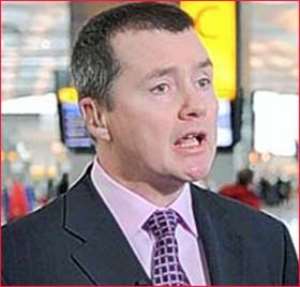
Attributing the loss to the global financial crisis, the Chief Executive Officer (CEO) of British Airways, Willie Walsh said: “We were quick to respond to the crisis by taking out excess capacity and at the same time, driving down unit costs by 5.2 percent.
“This demonstrates how well our costs have been managed in the first half and it is imperative that we continue to deliver our plans to reduce costs further in the second half. With revenue likely to be £1 billion this year, we can't stand still but further cost reduction is essential.”
“We reduced summer schedule capacity by 3.5 per cent and our costs are some £400 million lower and manpower has been cut by 1900 to reduced overtime. “We increased part-time working and targeted voluntary redundancy with total liquidity of some £4 billion,” he added.
Indicating that the aviation industry was expected to lose some $11 billion this year, the CEO said the global airline industry was facing continued pressure on yields, highlighting a significant shift within the industry.
BA, he said, would introduce further structural changes in the second half to secure the long-term future for its business.
“We are cutting winter capacity by 6 percent to make further manpower reductions of about 3000 by March 2010 and permanent changes to our business operations,” he said.
The airline is also offering customers the option to pay for reserve seats more than 24 hours in advance. With its Club World refurbishment nearly complete, it expects to introduce a new first cabin in the New Year.
BA's cargo business continues to be impacted by the worldwide decline in demand for airfreight though its performance compares favourably with market trends, which saw volume declines of some 13 per cent during the period.
Cargo revenue declined by 30.9 percent.
It would also reflect some stabilization in declining volumes. Cargo yields declined by 24.8 percent, driven significantly by lower fuel surcharges.
In spite of the foregoing, BA's financial position is strong.
Its liquidity position at the end of September was £2 billion, including £1,507 million of cash and some £460 million of general facilities.
In addition, it has £2 billion of committed aircraft facilities. BA's first A380 would arrive in 2013, with the last aircraft arriving in 2016.
IATA has predicted a 15 percent decline in revenue for the industry this year though this would be partially compensated by the fall in oil price.
IATA has recently revised their global airline loss forecast from $2 billion to $11 billion this year.
“Our traffic volumes and yields have stabilised compared to a very low base. “We are continuing with our cost reduction initiatives to help offset the declines in revenue,” it noted.
By Samuel Boadi
 Ghana has everything needed to prosper yet graduates remain unemployed — Dr Step...
 June 9: Cedi sells at GHS12.50 on forex market, GHS11.85 on BoG interbank
 Stephen Amoah advocates mixed market economy to tackle rising cost of living in ...
 Publish a clear and detailed BoG recapitalisation plan — NPP urges gov't
 Completely abandon idea of selling BoG headquarters — NPP urges gov't
 French President Macron to attend Ghana's Next Steps Conference on Reparatory Ju...
 Nyinahin Catholic SHS teacher seen fighting female student in viral video arrest...
 Beijing condemns US move to blacklist Chinese companies
 Trump gets a cold reception at NBA Finals game as Spurs beat Knicks
 Israel and Iran step back from further strikes after renewed clashes


