




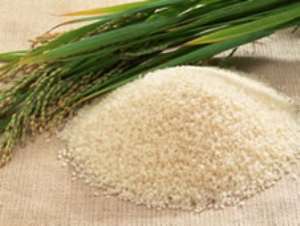
Higher food prices may be here to stay as demand from developing countries and production costs rise, says the UN's Food & Agriculture Organisation (FAO).
It warned that the current spike in global food prices was higher than previous records, partly because bad weather had ruined crops.
Although high prices will ease off, other factors, such as rising biofuel demand, will keep future costs high.
The FAO said speculators were also to blame for volatile commodity markets.
Soaring bills
The FAO's annual Outlook report predicted beef and pork prices might be 20% higher by 2017, wheat could be up to 60% more expensive and the cost of vegetable oils might rise by 80%.
World prices for wheat, maize and oilseed crops doubled between 2005 and 2007, and while the FAO expects these prices to fall, the decline may be slower than after previous spikes.
As well as key factors such as weather, supply and demand and energy costs, speculators are also to blame for making commodities prices more volatile, the FAO says.
It is also concerned about the increasing use of crops for biofuels.
"Biofuels are the largest new source of demand for agriculture and are causing higher prices," said Merritt Cluff, one of the authors of the report.
"We are very worried particularly about biofuel policy. US government incentives for ethanol producers are distorting the market," he added.
Looking ahead, climate change may also affect crop harvests, pushing up prices further.
But the hardest-hit by rising food costs will be the poorest people on the planet, where a large share of income is spent on food, the FAO warned.
"We are hugely concerned about the poorest and we expect the number of undernourished people to rise," said Mr Cluff.
The FAO believes the commodity boom has forced some in the developing world to spend more than half their income on food, particularly those countries that have to import much of their food.
Rising food bills have triggered protests, riots and panic buying in some developing countries. Earlier this month, the FAO calculated the amount of money being spent globally on importing food was set to top $1 trillion (£528bn) in 2008, a 26% rise on the previous year.
However, the food crisis could also shift the epicentre of global agriculture from developed to developing countries and the FAO predicts that emerging economies will dominate in the production and consumption of most basic foods in 10 years.
Source: BBC
 BoG's $260 million building: It was Ato Forson who first proposed 'sell-and-leas...
 'We have to do soul-searching' — Mahama orders nationwide flood assessment
 Court orders woman beater to pay GHS5,000 compensation to midwife at Tema Commun...
 Over 12,000 women living with obstetric fistula in Ghana — Asokwa MP
 Mahama secures 1,840 farm equipment deal from Belarus
 Titus Glover slams Mahama’s flood report directive, calls it “waste of energy an...
 We have increased posting of doctors from 12 to 100 to underserved regions in 20...
 'You had the effrontery to call me struggling lawyer, you won't come back to pow...
 Belarus manufacturers to storm Ghana next week after President's visit
 Government to offer tax incentives for factories located outside Accra


