




It may be possible to use "stem cell shielding" to protect the body from the damaging effects of chemotherapy, early results from a US trial suggest.
Chemotherapy drugs try to kill rapidly dividing cancer cells, but they can also affect other healthy tissues such as bone marrow.
A study, in Science Translational Medicine, used genetically modified stem cells to protect the bone marrow.
Cancer Research UK said it was a "completely new approach".
The body constantly churns out new blood cells in the hollow spaces inside bone. However, bone marrow is incredibly susceptible to chemotherapy.
The treatment results in fewer white blood cells being produced, which increases the risk of infection, and fewer red blood cells, which leads to shortness of breath and tiredness.
Researchers at the Fred Hutchinson Cancer Research Center, in Seattle, said these effects were "a major barrier" to using chemotherapy and often meant the treatment had to be stopped, delayed or reduced.
'Protective shields'
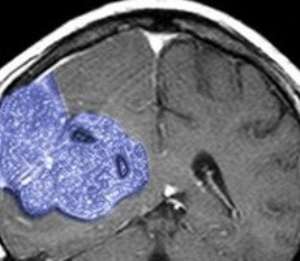
They have tried to protect the bone marrow in three patients with a type of brain cancer, glioblastoma.
One of the researchers, Dr Jennifer Adair, said: "This therapy is analogous to firing at both tumour cells and bone marrow cells, but giving the bone marrow cells protective shields while the tumour cells are unshielded."
Bone marrow was taken from the patients and stem cells, which produce blood, were isolated. A virus was then used to infect the cells with a gene which protected the cells against a chemotherapy drug. The cells were then put back into the patient.
The lead author of the report, Prof Hans-Peter Kiem, said: "We found that patients were able to tolerate the chemotherapy better, and without negative side effects, after transplantation of the gene-modified stem cells than patients in previous studies who received the same type of chemotherapy without a transplant of gene-modified stem cells."
The researchers said the three patients had all lived longer than the average survival time of 12 months for the cancer. They said one patient was still alive 34 months after treatment.
Cancer Research UK scientist Prof Susan Short said: "This is a very interesting study and a completely new approach to protecting normal cells during cancer treatment.
"It needs to be tested in more patients but it may mean that we can use temozolomide [a chemotherapy drug] for more brain tumour patients than we previously thought.
"This approach could also be a model for other situations where the bone marrow is affected by cancer treatment."
 One dead, fire officer hospitalised after bee attack at Quarry Site in Sokode Gb...
 Israel and Iran step back from further strikes after renewed clashes
 Patients stranded as doctors, nurses refuse to see new patients over KATH CEO su...
 Avenor Rural Bank CEO’s house destroyed by fire
 Three arrested in Winneba for illegal mining near GWL water lines
 Two pupils of Alice Elite Academy laid to rest after fatal school bus crash
 Here are areas to be affected by ECG's planned maintenance on Tuesday
 Family of civil engineer killed in alleged military shooting demands justice
 SHS teacher allegedly beats female student over unpaid hostel fees
 Blow to EU defence cooperation as France, Germany abandon joint fighter jet prog...


